Study in Italy for Turkish students is becoming one of the most attractive options in Europe for 2026. Italy combines affordable public universities, English-taught degree programs, generous regional scholarships and a student lifestyle shaped by history, art and Mediterranean food. For students from Turkey, the path is clear: choose a program, prepare your documents, apply for the DSU Toscana scholarship and complete the visa process in good time. This guide walks you through every step, from admission requirements to daily life in Arezzo and Tuscany, so you can plan your move with confidence.
Why Study in Italy for Turkish Students
Italy offers Turkish students a rare combination of quality and value. Public university tuition fees are often far lower than in the United Kingdom or the United States, and many universities offer English-taught bachelor's and master's degrees, so you do not need to speak Italian before you arrive. At the same time, the DSU Toscana scholarship can cover tuition and living costs for students who meet the income and merit requirements, which makes studying in Tuscany realistic for families on a normal budget.
Beyond cost, Italy gives you a European degree recognized across the continent, plus the chance to learn Italian, travel easily within the Schengen area and build an international network. Tuscany in particular is a welcoming region for international students: Arezzo is safe, walkable and affordable, with a strong student community and direct train links to Florence, Rome and Siena.
Admission Requirements for Turkish Students
Turkish applicants generally need a Turkish high school diploma (Lise Diplomasi) for bachelor's programs, or a bachelor's degree for master's programs. Your diploma must qualify you for university study in Turkey, and Italian universities usually ask for a Declaration of Value or a comparable statement of comparability for your qualification. English-taught programs typically require proof of English at B2 level, such as IELTS or TOEFL, while Italian-taught programs require Italian at B2 level.
Some programs, especially medicine, architecture and other restricted-access degrees, require an entrance exam. Check the admission rules of your chosen university early, because deadlines and exam dates differ by program. Applying early also gives you more time to prepare your scholarship application and your visa file.
Documents Turkish Applicants Need
Prepare these documents before you start your application: a valid passport, your high school diploma and transcript (translated into Italian or English and legalized where required), your Declaration of Value, a language certificate, a motivation letter and a CV. Some universities also ask for a pre-enrollment application through the Universitaly portal, which is a standard step for non-EU students applying from abroad.
DSU Toscana Scholarship 2026 for Turkish Students
The DSU Toscana scholarship 2026 is the most important funding opportunity for students in Tuscany. It can include a full tuition waiver, free or subsidized accommodation, free meals at university canteens and an annual cash grant, depending on your financial situation and academic merit. Turkish students enrolled at a Tuscan university can apply, and the call for applications is usually published in the summer before the academic year starts.
To apply, you will need documents proving your family's income and assets, translated and legalized according to DSU rules. Start gathering these papers months in advance, because Turkish family income documents often need an apostille and an official translation. Missing the DSU deadline is the most common reason students lose funding, so mark the date as soon as the call is published and submit a complete file.
Costs of Studying and Living in Arezzo
Tuition at public universities in Italy is income-based and often ranges from a few hundred to a few thousand euros per year, with reductions available for students with a DSU scholarship or a low ISEE value. In Arezzo, a student room in shared housing typically costs less than in Florence or Milan, and daily expenses for food, transport and leisure are manageable on a student budget. Cooking at home, using the university canteen and buying a student transport pass can keep monthly costs well under control.
International students in Italy can also work part time, up to 20 hours per week, which many students use to support their living costs and gain local experience. Part-time jobs in hospitality, tutoring and campus services are common, and even basic Italian greatly improves your chances of finding work.
Student Visa Steps from Turkey
After receiving your admission letter and completing pre-enrollment, Turkish students apply for a study visa (type D) at the Italian Consulate in Turkey. You will need proof of admission, proof of accommodation in Italy, proof of financial means, health insurance and a valid passport. The consulate may also ask for an interview, so prepare to explain your study plan clearly and honestly.
Once you arrive in Italy, you must apply for a residence permit (permesso di soggiorno) within eight working days. Keep copies of every document you submit, and ask your university's international office for help if any step is unclear. Their staff handle these procedures every year and can save you costly mistakes.
Student Life in Arezzo and Tuscany
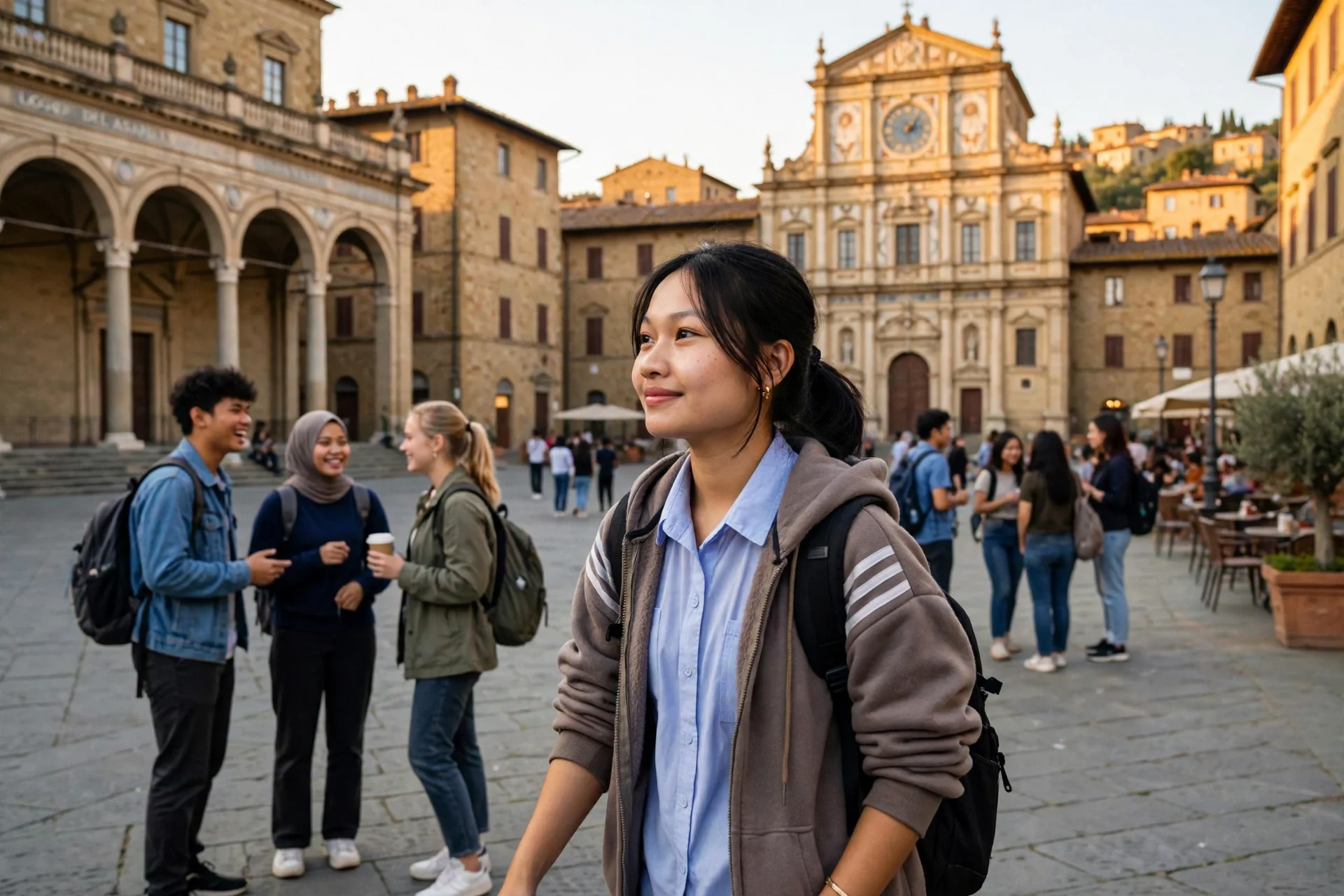
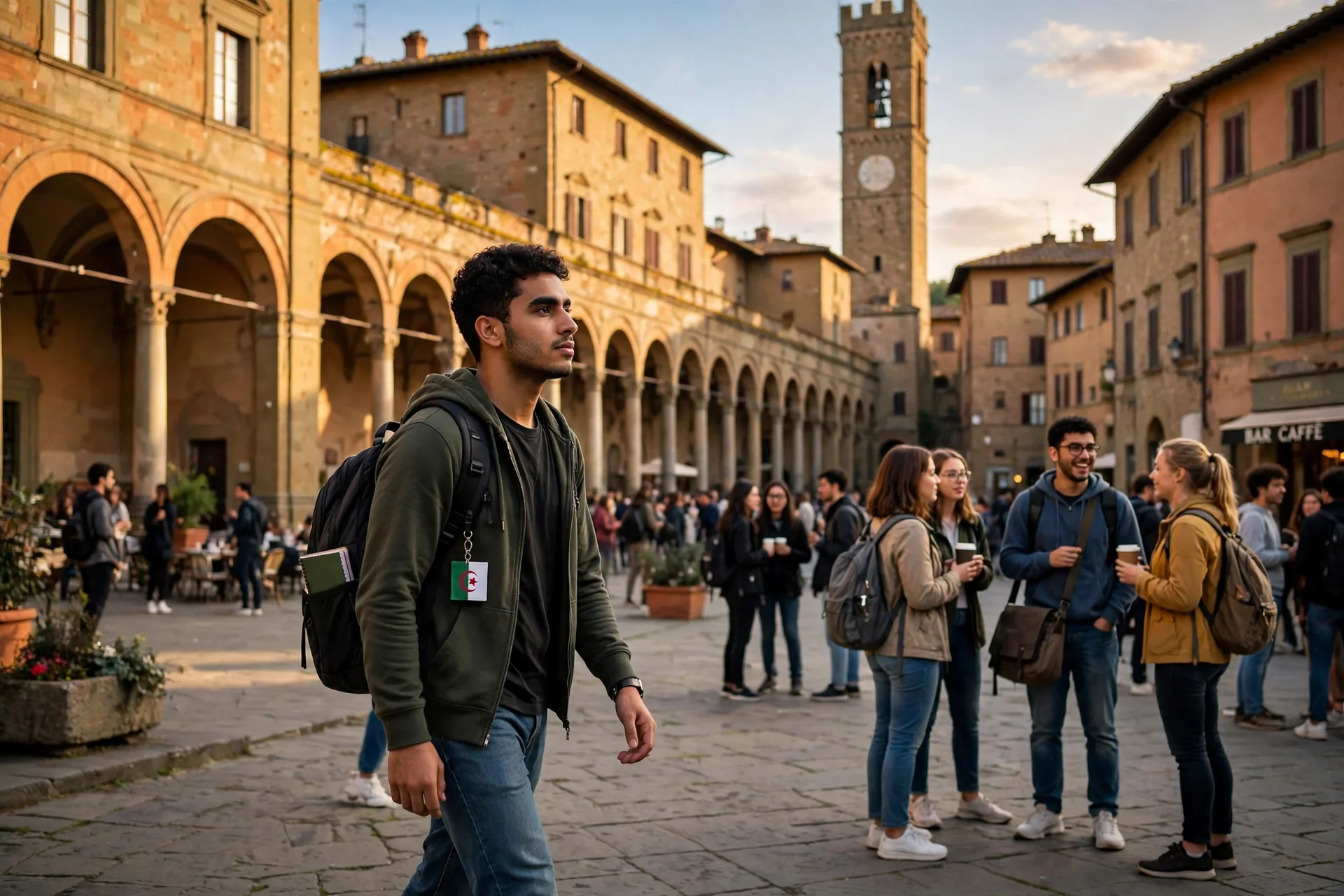
Life in Arezzo moves at a human pace. The historic center is compact enough to explore on foot, with medieval squares, weekly markets, cafes and small restaurants that welcome students. The university community organizes language exchanges, sports activities and cultural trips, and the surrounding Tuscan countryside offers weekend escapes to Siena, Cortona, Florence and the Val d'Orcia.
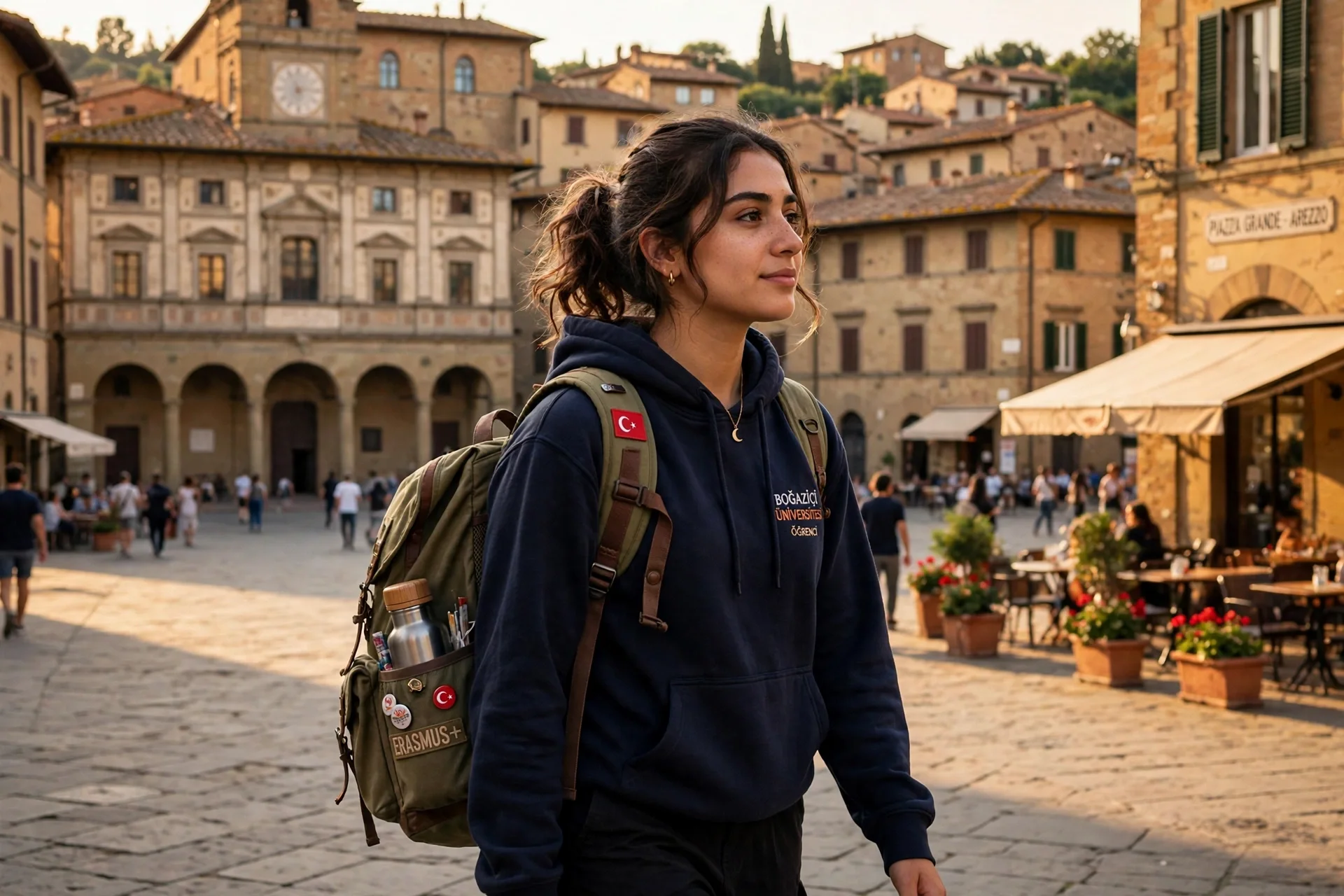
Turkish students often find a warm welcome in Tuscany: Italian and Turkish cultures share a love of good food, family and long conversations over coffee. Learning Italian, even at a basic level, opens doors to friendships, part-time work and everyday life, and most universities offer free or low-cost Italian courses for international students.
How to Apply for 2026
Start by choosing your program and checking its language and entrance requirements. Then prepare your documents, complete pre-enrollment if required, and submit your university application before the deadline. In parallel, prepare your DSU Toscana scholarship file and your visa documents so nothing is left to the last minute. If you need guidance on choosing a program or preparing your application, start your application and the admissions team will help you through each step.
Studying in Italy for Turkish students in 2026 is a realistic, affordable and rewarding choice. With early planning, a complete scholarship file and a clear visa strategy, you can begin your degree in Tuscany next autumn and build a future that combines a European education with an unforgettable Italian experience.