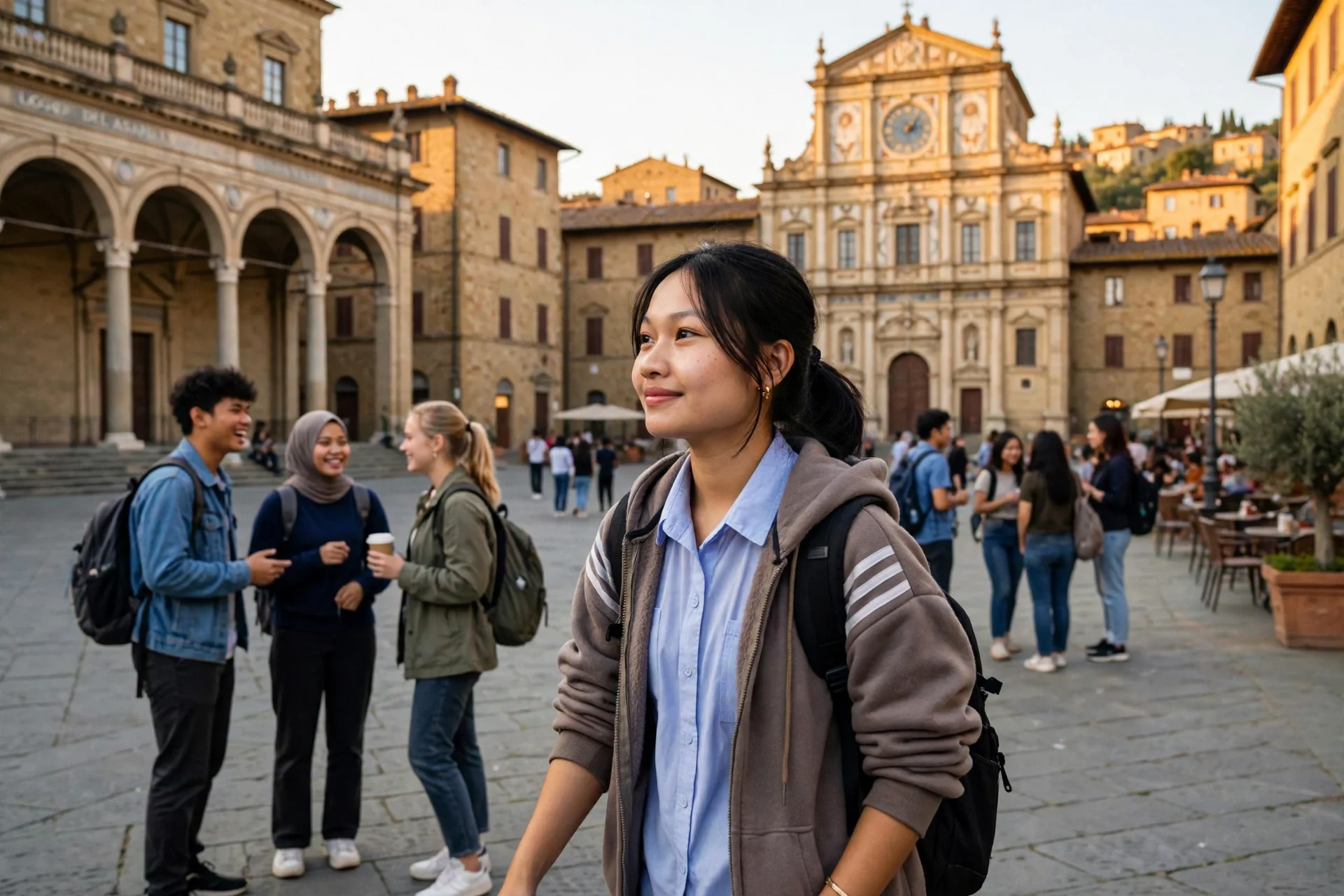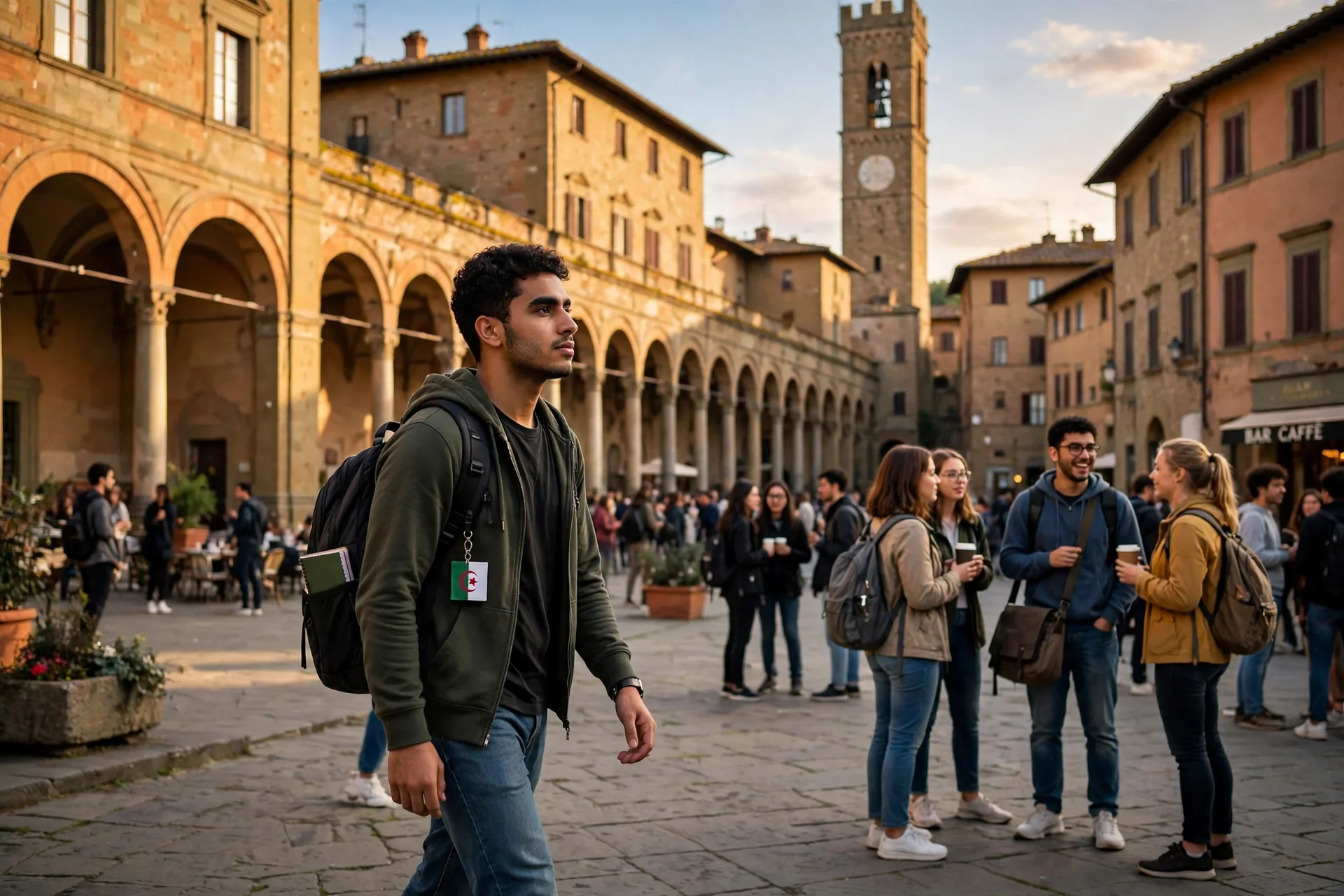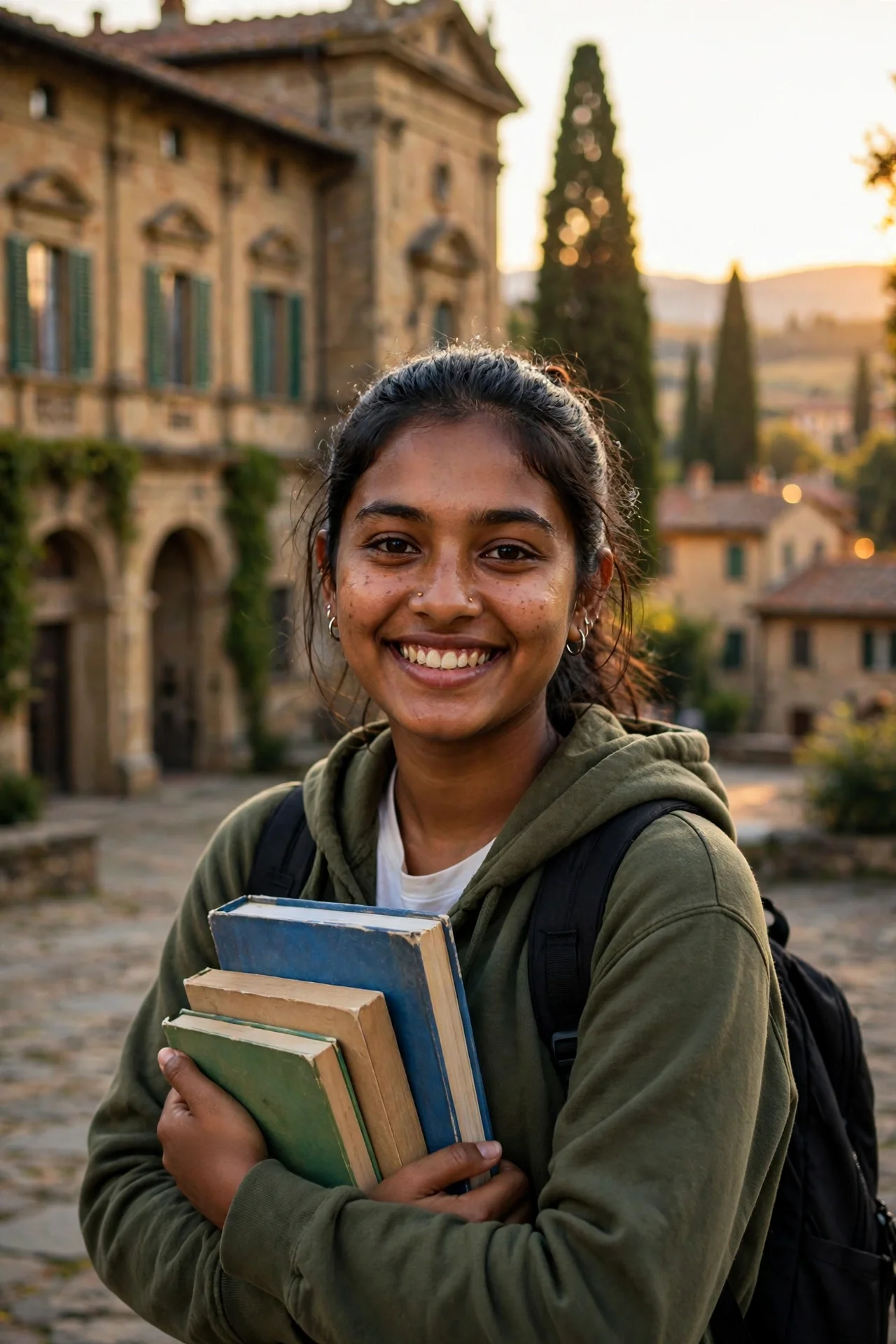
Italy is quickly becoming one of the most popular study destinations for students from Sri Lanka, and it is easy to see why. This guide to study in Italy for Sri Lankan students covers affordable public universities, a growing number of English taught programs, generous regional scholarships, and a student lifestyle shaped by history, food, and warm Mediterranean weather. This guide walks you through admission, scholarships, costs, visas, and life in Tuscany, so you can apply for 2026 with confidence.
Why Study in Italy for Sri Lankan Students
Italian universities are among the oldest in the world, and many of them now welcome international students with dedicated support services. For Sri Lankan students, the biggest advantages are cost and quality. Tuition fees at public universities are far lower than in the United Kingdom, Australia, or the United States, and living costs in smaller Tuscan cities such as Arezzo are much more manageable than in Rome or Milan.
Another advantage is choice. You can study business, engineering, design, medicine, agriculture, tourism, and many other subjects, often in English. At the same time, daily life in Italy gives you the chance to learn Italian, a skill that opens doors to part time work, internships, and a deeper connection with local life.
Finally, Italy sits at the heart of Europe. A student residence permit lets you travel across the Schengen area, so weekend trips to France, Spain, or Germany become part of your student experience, not a distant dream.
Admission Requirements for Sri Lankan Students
To apply for a bachelor's degree, you generally need your G.C.E. Advanced Level results or an equivalent secondary qualification, plus a valid passport. For a master's degree, you need a recognized bachelor's degree in a related field. Some programs ask for an English language certificate such as IELTS or TOEFL, while others assess your English through an interview or an internal test.
Many universities also ask for a Declaration of Value for your Sri Lankan qualifications. This document, issued through the Italian diplomatic authorities, confirms that your certificates are valid for university admission in Italy. Because it can take weeks to obtain, start this step as early as possible and keep certified copies of every document you submit.
Some competitive programs, such as medicine or architecture, require an entrance exam. For most other programs, admission is based on your academic record, your motivation letter, and your language level. Check the exact requirements of your chosen program early, because deadlines and document lists vary from one university to another.
DSU Toscana Scholarship 2026: A Real Opportunity
One of the strongest reasons to choose Tuscany is the DSU Toscana scholarship 2026. DSU Toscana is the regional body that supports the right to study in Tuscany, and its scholarship can cover tuition fees and provide additional support for accommodation and meals, depending on your financial situation and academic merit.
Eligibility is assessed mainly on family income, documented through the ISEE University certificate, and on academic progress once you are enrolled. International students from outside the European Union can apply, but the income documentation rules are specific, so read the official call carefully and prepare your documents well before the deadline.
Even if you do not receive the full DSU award, many universities offer their own tuition waivers or merit based reductions. Applying for both the regional scholarship and university level support gives you the best chance of keeping your study costs low.
Tuition Fees and Living Costs in Tuscany
Tuition at Italian public universities is income based, which means your fee depends on your family's financial situation. Many international students pay modest annual fees compared with other popular destinations, and scholarship holders may pay little or nothing at all. Private universities charge more, so compare total costs, not just the headline fee, before you choose.
Living costs vary by city. Arezzo, a compact and student friendly city in Tuscany, is notably cheaper than Florence or Milan for rent, food, and transport. Sharing an apartment with other students, cooking at home, and using student discounts for transport and museums can bring your monthly budget down further.
Plan a realistic monthly budget that covers rent, groceries, transport, study materials, health insurance, and a small reserve for unexpected costs. Students who budget from the start enjoy their time in Italy far more than those who discover costs after arrival.
Italy Student Visa Steps from Sri Lanka
Once you receive your admission offer, the next step is pre-enrollment through the Universitaly portal, followed by your student visa application at the Italian Embassy in Colombo. You will need your admission letter, proof of accommodation, proof of financial means, health insurance, and your academic documents.
Book your visa appointment early, because slots fill quickly during the main intake season. Prepare originals and photocopies of every document, and be ready to explain clearly why you chose your program and your university. A clear, honest visa interview makes a strong impression.
After arrival in Italy, you must apply for your residence permit within eight working days. Your university's international office can guide you through this step, and it is worth visiting them during your first week on campus.
Student Life in Arezzo and Tuscany
Arezzo offers the best of both worlds: a historic Tuscan city with medieval streets, lively piazzas, and weekly markets, plus easy train connections to Florence, Siena, and Rome. Student life here is relaxed and affordable, with cafes, libraries, sports facilities, and cultural events throughout the year.
Tuscany's food culture is a highlight in itself. From fresh pasta and local olive oil to the region's famous wines and gelato, eating well does not have to be expensive. Student canteens, known as mense, offer low cost meals, and local markets are perfect for fresh, affordable ingredients.
Beyond study, join student associations, language exchange groups, and sports clubs. These are the fastest way to make Italian and international friends, practise your Italian, and feel at home far from Sri Lanka.
Application Checklist for 2026
Use this checklist to keep your application on track:
- Choose your program and check its language and academic requirements.
- Prepare your transcripts, certificates, passport, and language proof.
- Start your Declaration of Value and Universitaly pre-enrollment early.
- Apply for the DSU Toscana scholarship and any university waivers.
- Arrange accommodation, insurance, and your visa appointment.
- Plan your budget and your travel to Italy.
Applying to study abroad can feel overwhelming, but each step becomes simple when you take it one at a time. With affordable tuition, strong scholarship support, and the beauty of Tuscany waiting for you, 2026 could be the year your Italian journey begins. To take the first step, start your application today and let the admissions team guide you through the rest.