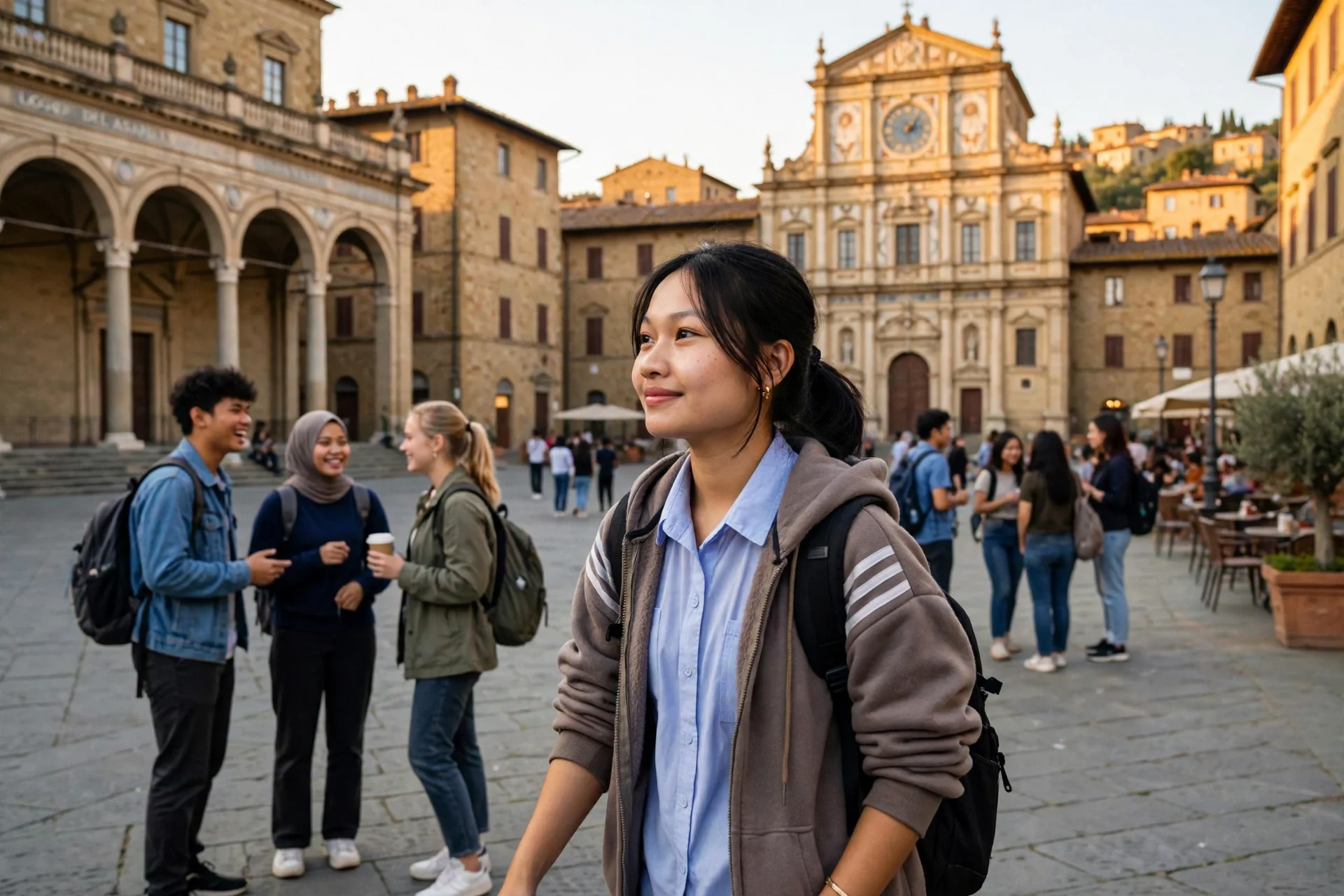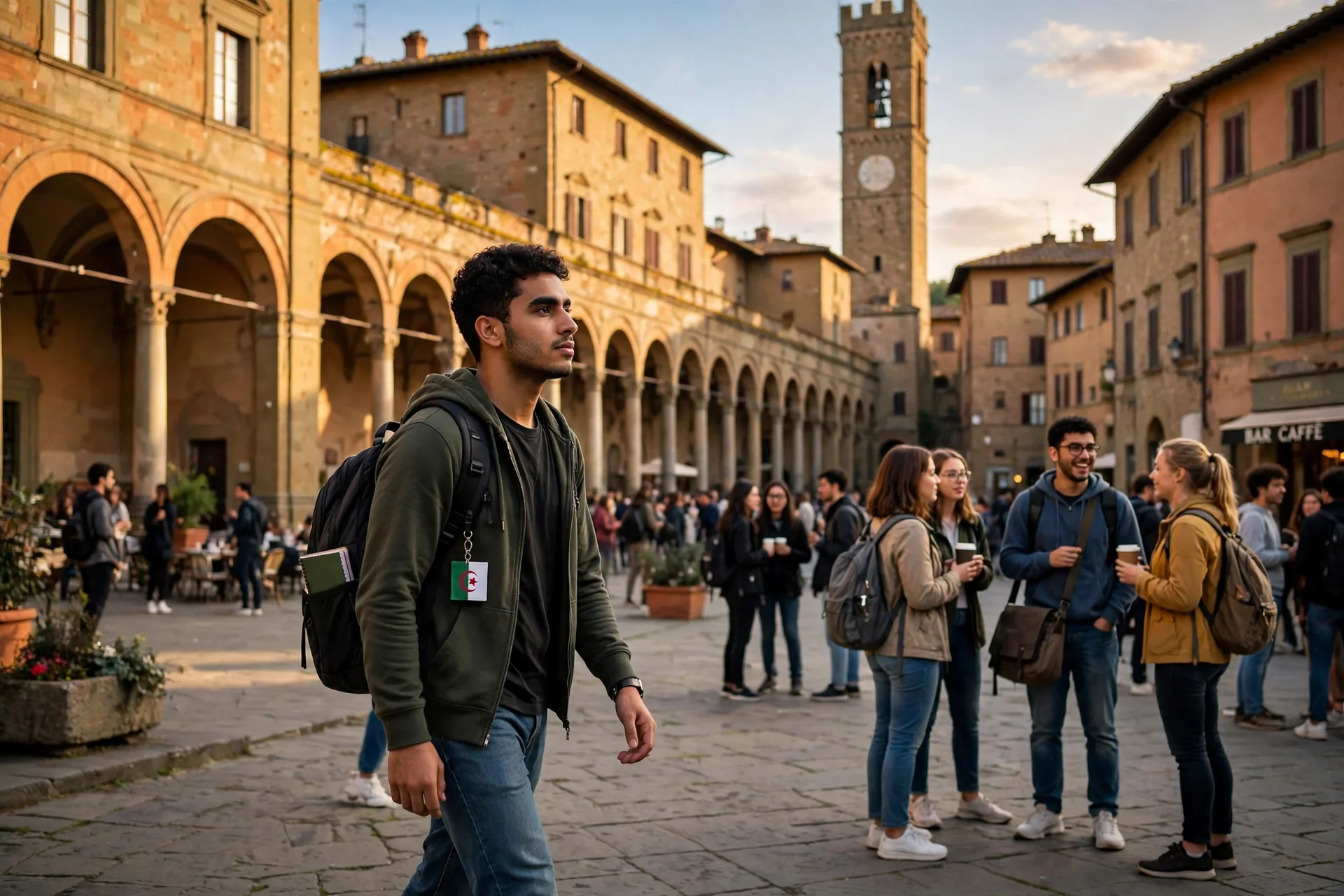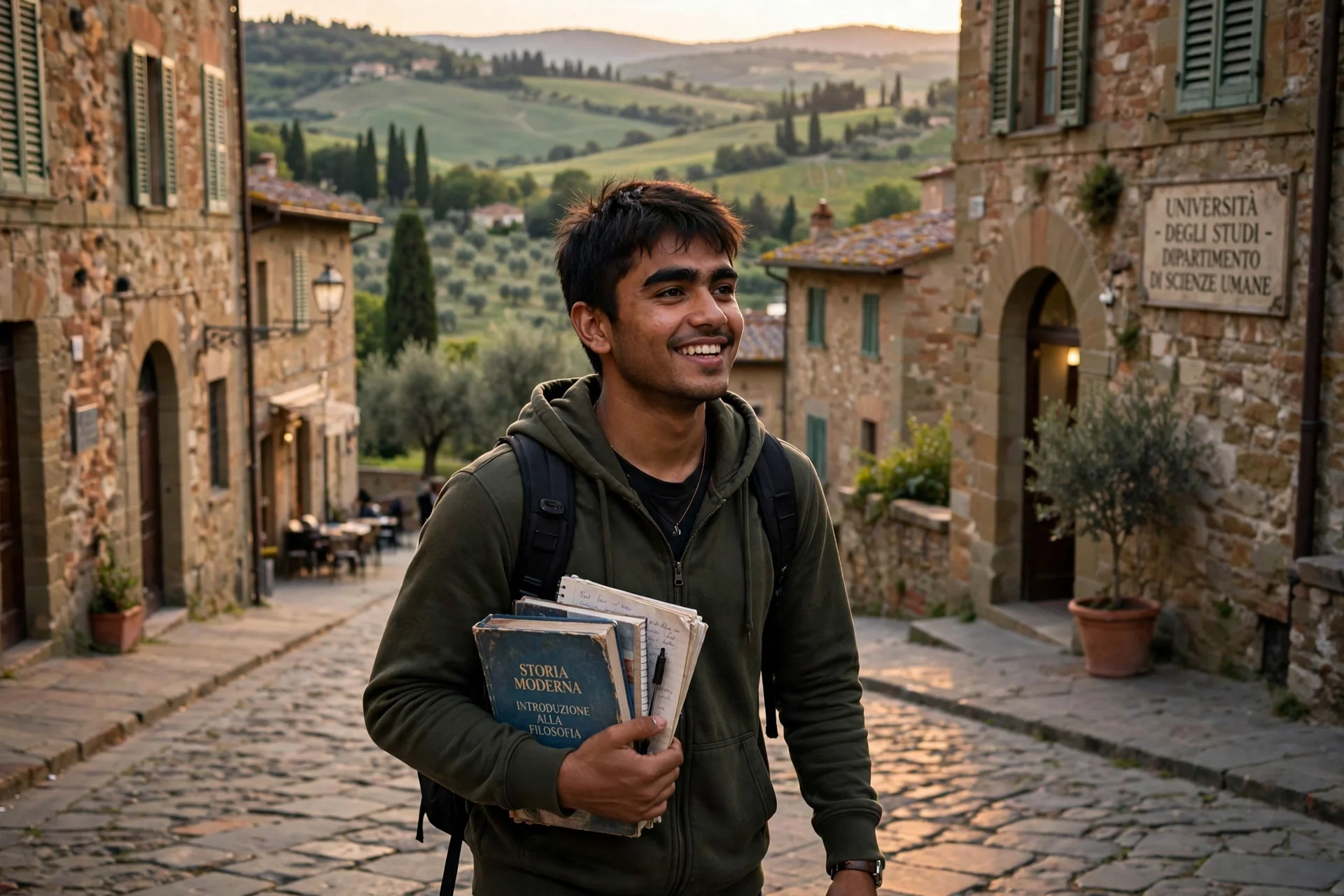
More Nepali students are choosing Italy every year, and it is easy to see why. To study in Italy for Nepali students means access to respected public universities, affordable tuition, English taught programs, rich culture and a student life shaped by history, food and green Tuscan hills. If you are planning your 2026 intake, this guide walks you through universities, scholarships, costs, visas and daily life, so you can apply with a clear plan and realistic expectations.
Why Study in Italy for Nepali Students
Italy combines academic quality with affordability in a way few study destinations can match. Public universities charge tuition based on family income in many cases, and living costs in smaller Tuscan cities such as Arezzo are lower than in Milan or Rome. Many bachelor and master programs are taught fully in English, so you do not need to be fluent in Italian before you arrive, although learning Italian will make daily life much easier.
For Nepali students, Italy also offers a clear path from application to arrival. You prepare documents in Nepal, apply for pre-enrolment, and then apply for a student visa. Once in Italy, you can work part time within legal limits and build an international network that lasts long after graduation.
Choosing Your University and Program
Start with your field, not just the city. Italy is strong in engineering, architecture, design, business, medicine, agriculture, environmental science and the arts. Check whether your chosen program is taught in English or Italian, what the entry requirements are, and whether it asks for an entrance test, a portfolio or an interview.
Look closely at the curriculum, not only the university name. Compare course modules, internship options and graduate outcomes. A smaller university in Tuscany may offer closer contact with professors and lower living costs than a large city campus. Visit the official program page and note the application deadline before you do anything else.
English Taught Programs Worth Considering
English taught bachelor and master programs have grown fast in Italy. They are a good fit if your academic English is strong and you want to start studying right away while you learn Italian in parallel. Make sure your English certificate matches the level the university asks for, and check whether the program still requires an Italian language course during your degree.
Scholarships and the DSU Toscana Opportunity
Scholarships can change the whole cost of your degree. The best known regional option in Tuscany is the DSU Toscana scholarship, which supports eligible students with services and financial benefits based on merit and economic need. If you plan to study in Tuscany, read the official DSU Toscana call carefully and prepare your economic documents early, because incomplete paperwork is one of the most common reasons for delay.
Learn more in our guide to the DSU Toscana scholarship 2026 and check whether you also qualify for a tuition waiver or a merit based reduction from your university. Apply for every scholarship you are eligible for, and keep copies of every form, receipt and confirmation you submit.
Tuition Fees and Living Costs
Tuition at Italian public universities is usually far lower than in the United Kingdom, the United States or Australia. Fees vary by university, program and family income, so treat any single number you see online as a guide only and confirm the exact fee on the university website. Private universities charge more, so compare total costs before you choose.
For living costs, budget for housing, food, transport, health insurance, books and personal expenses. Sharing an apartment, cooking at home, using student transport discounts and eating at university canteens can keep monthly spending under control. Arezzo and other Tuscan towns are often more affordable than larger cities, which is one reason many international students enjoy studying there.
How to Apply Step by Step
A calm, step by step approach works best. First, shortlist two or three programs and confirm their deadlines, documents and language requirements. Second, prepare your academic transcripts, passport, motivation letter, CV and language certificate. Third, submit your university application and complete pre-enrolment if your university requires it.
Fourth, prepare your financial and accommodation documents for the visa stage. Fifth, apply for scholarships and housing in parallel, not after your admission arrives. Keeping these steps in parallel saves weeks and reduces stress at the busiest part of the process.
Documents Nepali Students Should Prepare Early
Start with your passport, making sure it is valid well beyond your planned stay. Gather your school and university transcripts, degree certificates, and any document that needs attestation or translation. If a document must be translated into Italian or English, use a recognised translator and allow extra time. The earlier you start, the fewer last minute problems you will face.
Student Visa for Italy from Nepal
After admission, the visa stage is your next priority. You will normally apply at the Italian Embassy or consulate responsible for Nepal, following the current checklist for student visas. Requirements can change, so always confirm the latest list on the official embassy website rather than relying on social media posts.
Read our step by step guide to the student visa for Italy and prepare your admission letter, financial proof, accommodation proof, insurance and travel plan in advance. Book your appointment early, answer interview questions honestly, and keep originals and copies of every document you submit.
Life in Tuscany as a Nepali Student
Life in Tuscany blends study with beauty. You can walk through medieval streets after class, explore markets and travel to Florence, Siena or the Tuscan coast on weekends. The slower pace helps many students focus while still enjoying Italian life.
You will also find a growing international community. Student associations and language exchange groups make it easier to meet people, practise Italian and feel at home. Learn a few Italian phrases before you arrive and stay open to new friendships.
Part Time Work and Daily Routine
International students in Italy can work part time within the limits set by their residence permit. Part time work can help with daily expenses, but it should never replace your study plan. Put classes and revision first, then add work hours around them.
Common Mistakes to Avoid
The most common mistake is waiting too long. Late applications, late scholarship forms and late visa appointments create avoidable risk. Another mistake is trusting unofficial agents or social media claims about guaranteed scholarships or guaranteed visas. No one can guarantee an admission or a visa decision, so be careful with anyone who promises one.
Finally, do not ignore the small details. A missing signature, an expired passport, an untranslated certificate or a wrong deadline can delay a strong application. Check every form twice, keep a checklist, and ask your university international office when you are unsure. Asking early is always better than fixing a problem late.
Start Your Application Today
Studying in Italy can open doors for Nepali students who plan early and apply carefully. Choose a program that fits your goals, prepare scholarship and visa documents in parallel, and use official sources at every step. If you are ready, start your application and take the first step toward your 2026 study journey in Italy.