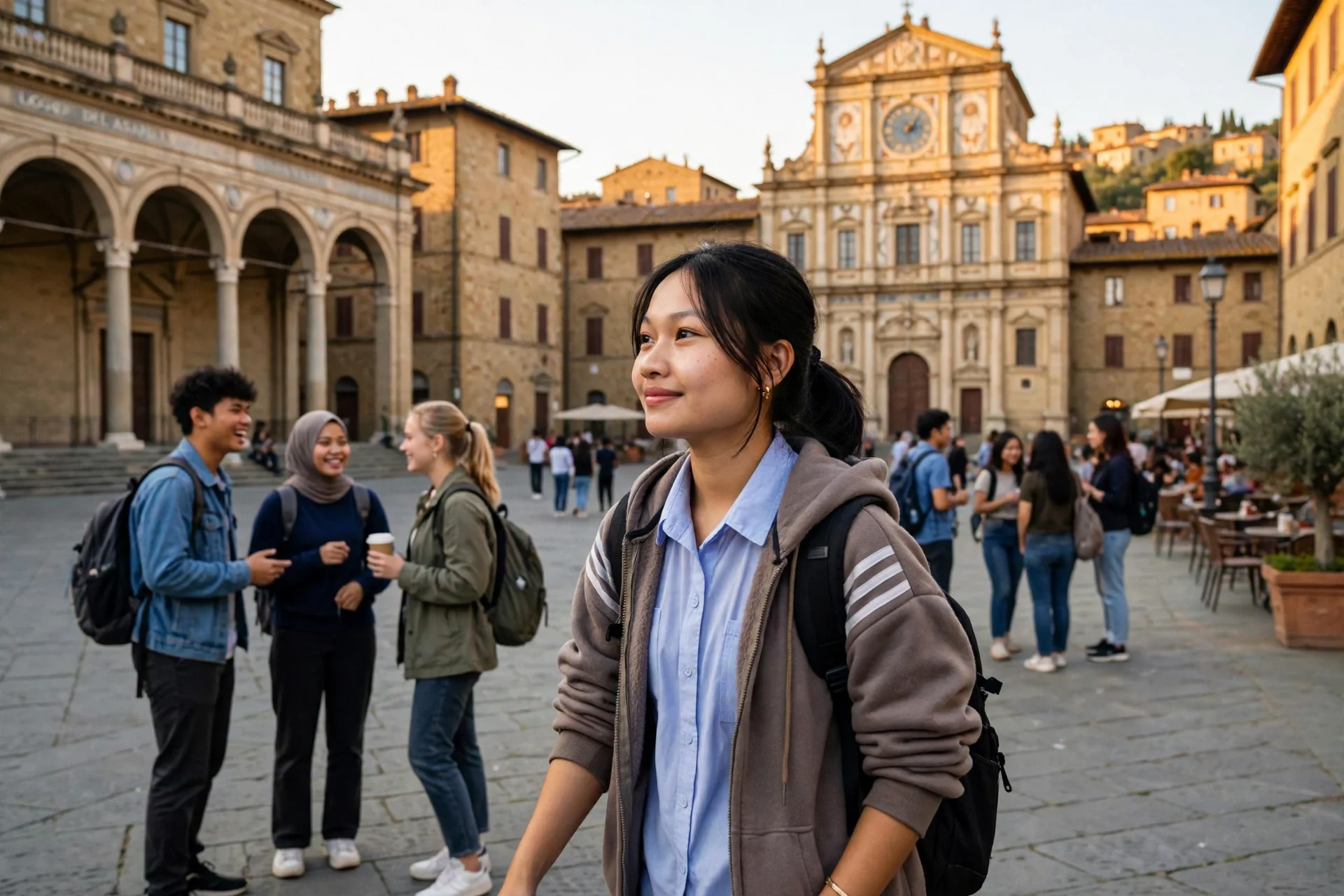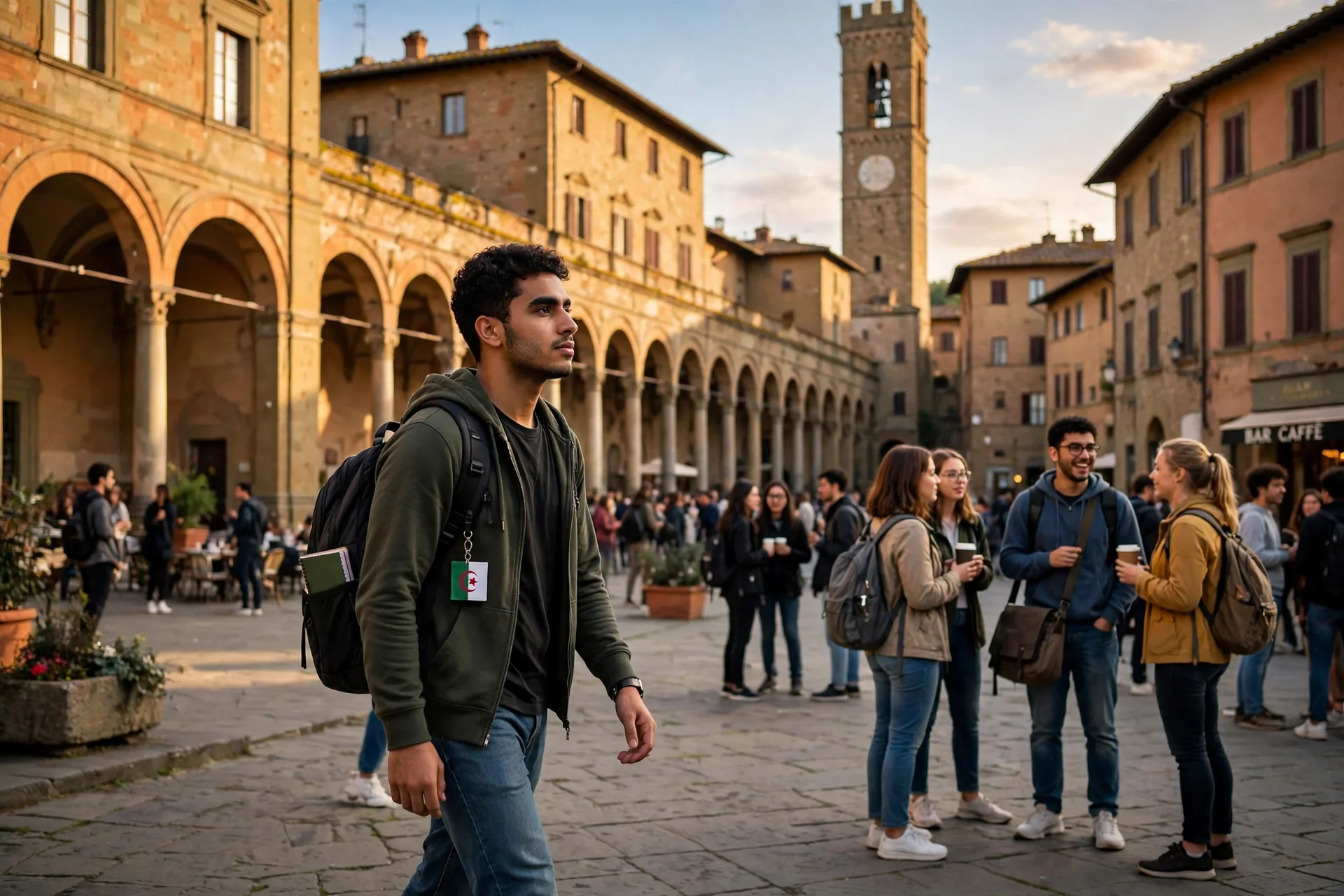
Choosing to study in Italy for Filipino students in 2026 opens the door to world class education, generous scholarships, and a student life shaped by history, food, and warm Mediterranean culture. Italy combines affordable public university tuition with English taught degree programs, so Filipino students can earn a respected European degree without the high price tag of other popular destinations. This guide walks you through admission requirements, the DSU Toscana scholarship 2026, tuition costs, visa steps, and everyday life in Arezzo and Tuscany, so you can apply with confidence.
Why Study in Italy for Filipino Students
Italy is home to some of the oldest universities in the world, and its degrees are recognized across Europe and beyond. Public universities charge low tuition fees compared with the United States, the United Kingdom, or Australia, and many programs are now taught entirely in English, including business, engineering, design, computer science, and medicine. Italy also has a large and well established Filipino community, especially in Rome and Milan, and Filipino food, churches, and cultural associations make the transition easier.
Tuscany adds another advantage. Cities such as Arezzo, Florence, Siena, and Pisa offer a safe, walkable, student friendly setting with lower living costs than Milan or Rome. Arezzo is known for its medieval old town and relaxed pace of life, which suits students who want to focus on studies while enjoying authentic Italian culture.
Admission Requirements for Filipino Students
Admission to an Italian university usually starts with a recognized secondary school qualification. Filipino students typically apply with a senior high school diploma and a transcript of records. Check the entry requirements of each program, because competitive courses such as medicine and architecture have their own entrance exams.
Documents You Will Need
Prepare your documents early, because gathering and legalizing them takes time. Most applicants need a valid passport, a senior high school diploma, an official transcript of records, a certificate of English proficiency such as IELTS or TOEFL where the program requires it, a motivation letter, and a curriculum vitae. Some universities accept a medium of instruction certificate instead of an English test, so ask the admissions office before you pay for an exam.
One document deserves special attention: the Declaration of Value. This is issued by the Italian embassy or consulate and certifies that your Philippine qualification is valid for university admission in Italy. Start this process months before your deadline, because embassy appointments and document authentication can take several weeks. Some universities now accept a CIMEA Statement of Comparability instead, which can be faster to obtain online.
DSU Toscana Scholarship 2026 and Tuition Waivers
The DSU Toscana scholarship is one of the strongest reasons Filipino students choose Tuscany. DSU Toscana is the regional agency for the right to study in Tuscany, and its scholarship can cover tuition fees and provide free or subsidized accommodation, free meals at university canteens, and a yearly cash grant for living costs. In some cases, students who qualify also receive a full tuition waiver from their university.
Eligibility is based mainly on family income and academic merit. Filipino families will need to prepare income documentation, such as tax returns or certificates of income, translated into Italian and legalized for use in Italy. Begin this paperwork at the same time as your university application, not after you arrive.
Competition for DSU places is strong, so submit a complete application before the regional deadline, which usually falls in the summer before the academic year starts. Even if you do not win a full DSU scholarship, many Tuscan universities offer their own merit scholarships and tuition reductions.
Tuition Fees and Cost of Living
Tuition at Italian public universities is refreshingly affordable. Most students pay between 900 and 4,000 euros per year, depending on the university and family income, and DSU beneficiaries may pay nothing at all. Private universities cost more, but often offer larger merit scholarships.
Living costs in Arezzo are lower than in Italy's biggest cities. A student budget of roughly 700 to 1,000 euros per month can cover a shared room, food, local transport, and study materials, especially if you use student discounts and cook at home. University canteens offer full meals at very low prices, and regional trains make weekend trips cheap and easy.
Italy Student Visa Steps from the Philippines
Once you receive an admission letter, the next step is the student visa. Filipino students apply through the Italian embassy in Manila, and the process usually includes a pre-enrollment step on the Universitaly portal. You will need to show your admission letter, proof of accommodation in Italy, proof of financial means, health insurance, and a valid passport. Your bank statements and sponsor documents must be consistent and easy to verify.
Book your visa appointment as early as possible, because slots at the embassy fill quickly during the summer intake season. Attend the interview with original documents and clear copies, and keep a copy of everything you submit. After you arrive in Italy, you must apply for a residence permit within eight working days.
English Taught Programs in Italy
Italy now offers hundreds of degree programs taught entirely in English, and the list grows every year. At bachelor's level, popular options include international business, economics, computer science, and design. At master's level, the choice is even wider, with programs in engineering, data science, fashion, and sustainable development. Learning Italian still helps with internships, part time work, and daily life, and many universities offer free or low cost Italian courses.
Student Life in Arezzo and Tuscany
Life in Arezzo moves at a human pace. Students gather in Piazza Grande, study in historic libraries, and enjoy aperitivo evenings in the old town. The city hosts antiques fairs, film festivals, and the medieval Giostra del Saracino festival, so there is always something to discover between lectures. Florence is under an hour away by train.
Part time work is possible under the student residence permit, and many students find jobs in tutoring, tourism, hospitality, and university services. Filipino student associations and church communities in Tuscany offer a familiar support network during the first months abroad.
Application Timeline for 2026 Entry
A realistic timeline makes the whole process less stressful. Start researching programs and scholarships in the autumn before your intake year. Submit university applications between winter and spring, and complete pre-enrollment on Universitaly as soon as you are admitted. Apply for the DSU Toscana scholarship during the summer window, and book your visa appointment as soon as pre-enrollment is confirmed. Aim to arrive a few weeks before classes start, so you have time to settle housing and apply for your residence permit.
The most common mistakes are easy to avoid: leaving the Declaration of Value too late and submitting incomplete income documents for DSU. A simple checklist and an early start solve both.
Start Your Application Today
Italy offers Filipino students a rare combination: respected degrees, low tuition, real scholarship support, and a beautiful place to live while you study. If you plan early, prepare your documents carefully, and apply for DSU Toscana support, studying in Tuscany in 2026 is a realistic and rewarding goal. To begin, start your application and take the first step toward your Italian degree.