Italy is becoming one of the most popular study destinations for students from Ethiopia, and it is easy to see why. If you plan to study in Italy for Ethiopian students, the 2026 intake offers affordable tuition, English taught degree programs, generous regional scholarships, and a student life shaped by history, food, and warm Mediterranean culture. This guide explains the full journey, from choosing a program and preparing documents to winning a scholarship and settling in Tuscany.
Why Study in Italy for Ethiopian Students in 2026
Italian universities combine academic tradition with modern research. Many public universities charge low tuition compared with the United Kingdom, the United States, or Australia, and several degree programs are taught fully in English. For Ethiopian students, Italy also offers a clear visa route, a large international student community, and the chance to learn Italian while studying, a skill that opens doors across Europe.
Tuscany is a particularly good base. The region hosts respected universities, affordable student cities such as Arezzo, Siena, and Pisa, and the DSU Toscana scholarship system, which can cover tuition and living costs for eligible students. Studying in a smaller Tuscan city also means lower rent and a calmer daily life than in Rome or Milan, without giving up quality teaching.
Admission Requirements for Ethiopian Students
Admission rules depend on the university and the level of study, but most Ethiopian applicants follow a similar path. For a bachelor degree, you need a completed Ethiopian secondary school qualification that gives access to university study in Ethiopia. For a master degree, you need a recognized bachelor degree in a related field. Some programs add an entrance test, a portfolio, or an interview.
Language Requirements
English taught programs usually ask for proof of English, such as IELTS or an equivalent certificate, or a letter confirming that your previous degree was taught in English. Italian taught programs ask for Italian language certification, usually at B2 level. Even if you study in English, learning basic Italian before departure will make daily life, part time work, and internships much easier.
Documents You Must Prepare
Start gathering documents early, because authentication takes time. You will typically need your passport, academic transcripts, degree or school leaving certificate, a motivation letter, a curriculum vitae, and language certificates. Many Italian universities also require a declaration of value for foreign qualifications, issued through the Italian embassy or consulate. Check your chosen university list carefully and prepare certified translations where required.
DSU Toscana Scholarship and 100 Percent Tuition Waiver
Money is often the biggest worry for international students, and this is where Tuscany stands out. The DSU Toscana scholarship 2026 supports eligible students with benefits that can include a full tuition waiver, free or subsidized meals, accommodation support, and a yearly cash grant. Eligibility is based mainly on family income and academic merit, so prepare your income documents with care and submit them in the exact format requested.
Apply for the scholarship as soon as the call opens, even before you receive your final admission letter, if the rules allow it. Missing the DSU deadline is one of the most common and most costly mistakes international applicants make. Keep copies of every submission, and watch your email for requests for additional documents.
Tuition Fees and Cost of Living in Tuscany
Public university tuition in Italy is income based and often ranges from a few hundred to a few thousand euros per year, far below many other study destinations. With a DSU scholarship or a tuition waiver, that cost can fall to zero. Living costs in Arezzo and other Tuscan student cities are also manageable: shared student housing, university canteens, and student transport discounts keep monthly spending lower than in Italy's biggest cities.
Budget realistically for your first months. You will need funds for the visa application, flights, initial housing, health insurance, and daily expenses before any scholarship payment arrives. A simple monthly budget, plus a small emergency reserve, will help you avoid stress during your first semester.
Step by Step Application Checklist for 2026
Follow these steps in order to keep your application on track. First, shortlist two or three programs that match your background and career goals. Second, confirm the language of instruction, deadlines, and entrance requirements on each university website. Third, prepare and authenticate your academic documents and language certificates. Fourth, submit your university application and complete pre-enrollment through the official portal. Fifth, apply for the DSU Toscana scholarship and any university merit scholarships. Sixth, apply for your student visa with your admission documents, financial proof, and accommodation details.
Finally, book your travel only after your visa is issued, and arrange temporary housing for your arrival week. Many universities offer buddy programs and orientation weeks that help new international students open a bank account, register for health services, and complete the residence permit process.
Student Life in Arezzo and Tuscany
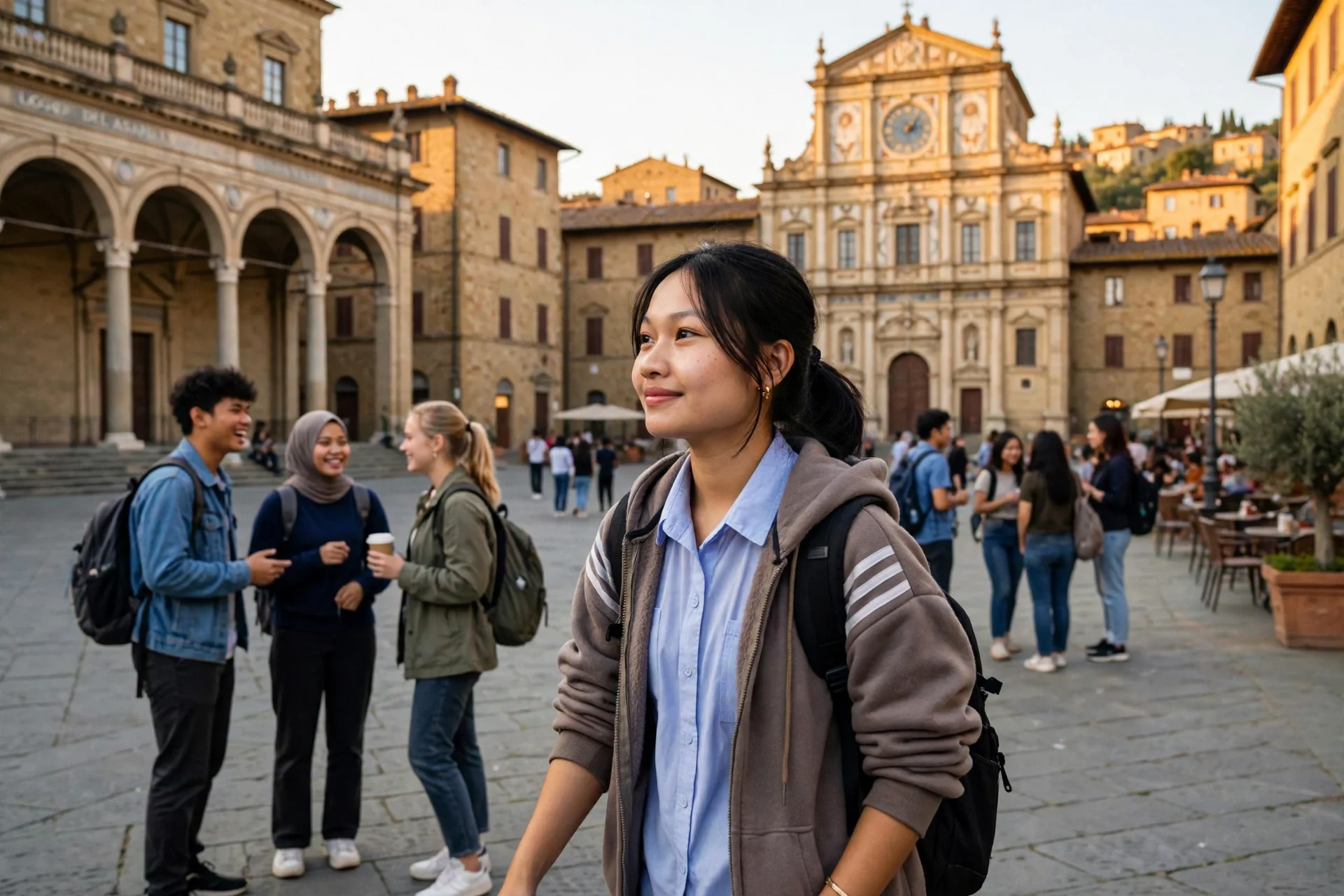
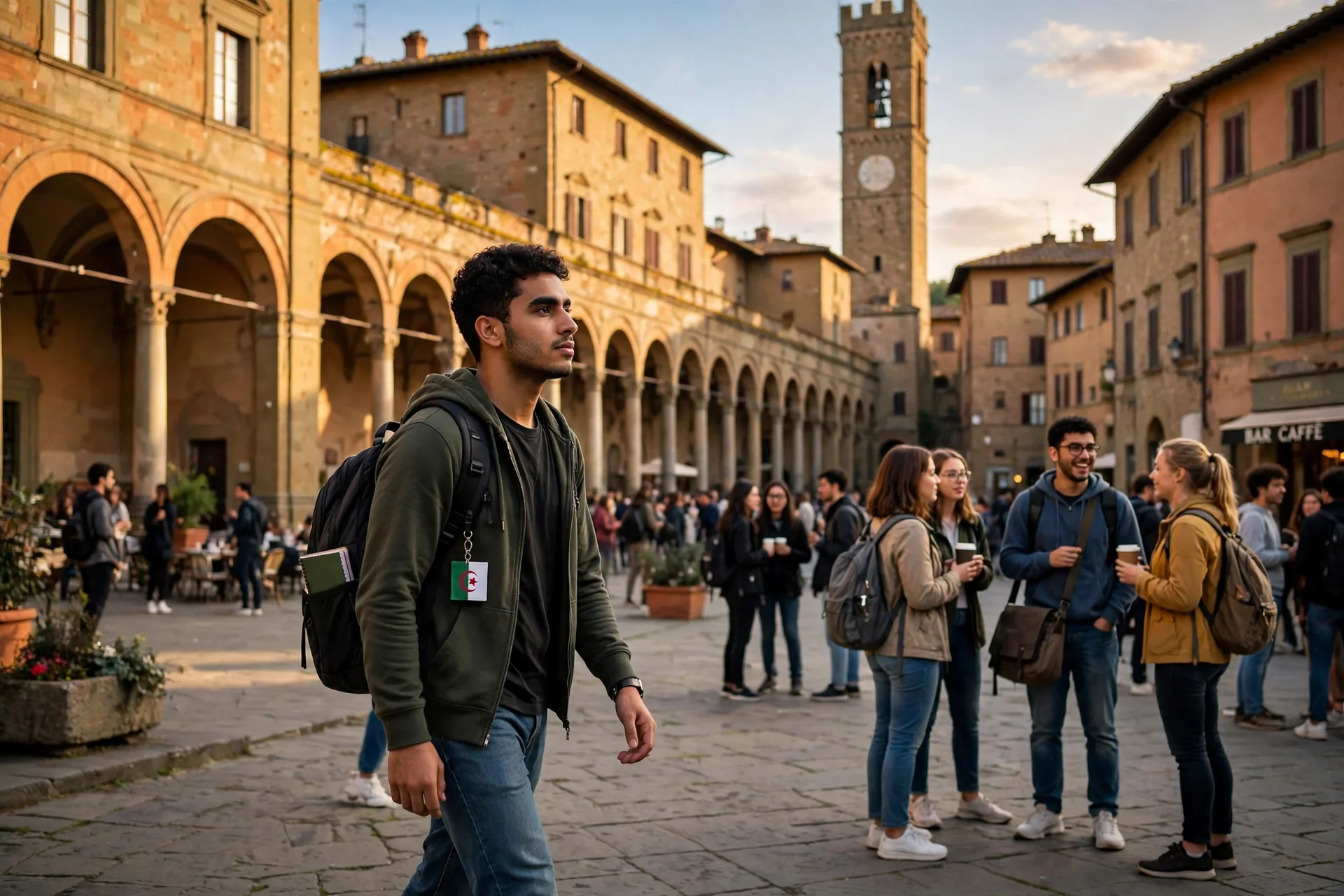
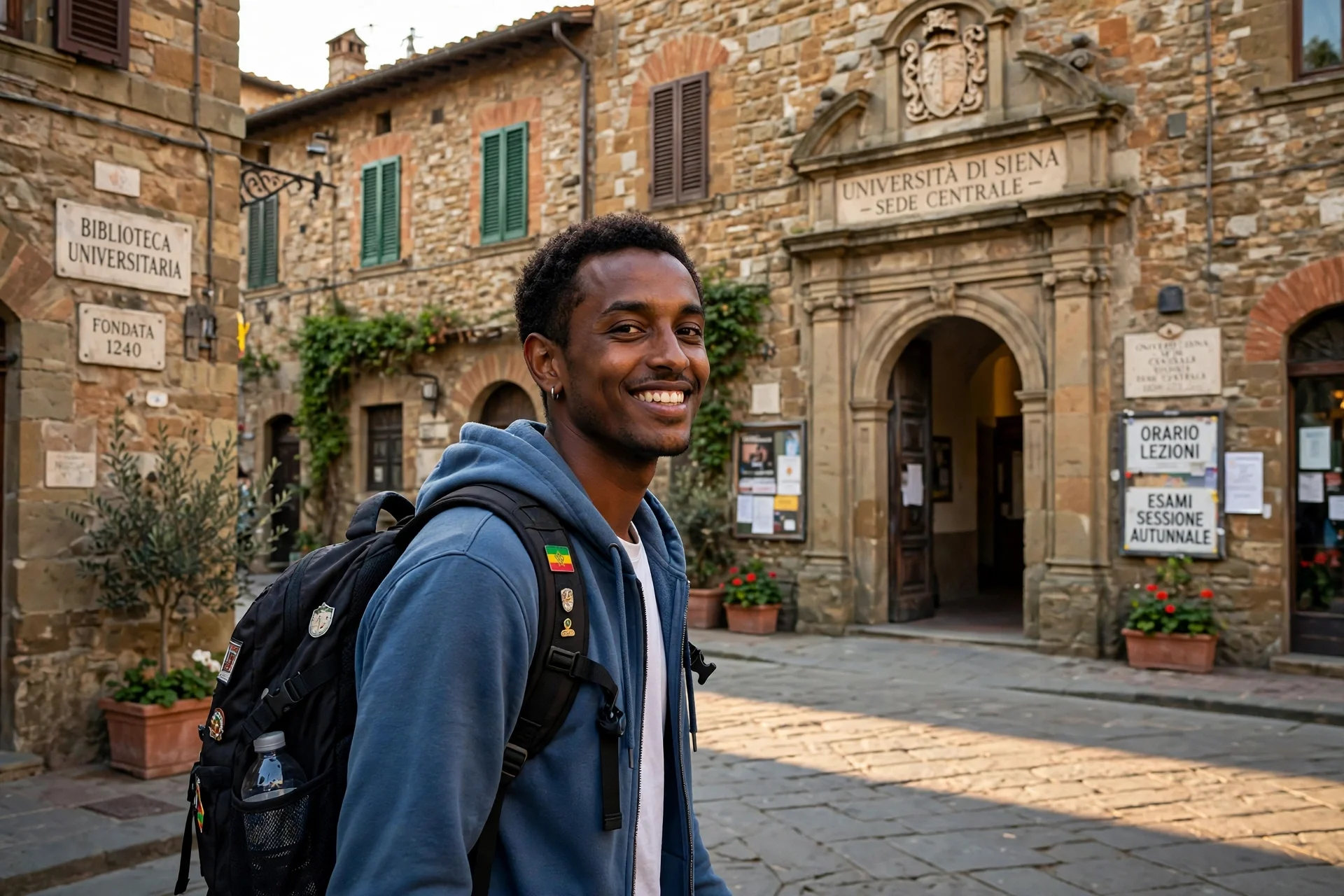
Life as a student in Tuscany blends study with discovery. Arezzo offers a walkable historic center, weekly markets, affordable cafes, and easy train links to Florence, Siena, and Rome. Student associations organize language exchanges, sports, trips, and cultural evenings, so it is easy to build friendships beyond your classroom. Ethiopia's community in Italy is also growing, and many students find comfort in shared meals, celebrations, and mutual support.
Part time work is possible alongside study, within the limits set by your residence permit. Common student jobs include tutoring, campus roles, hospitality work, and internships linked to your degree. An internship in Italy can strengthen your CV and sometimes lead to a graduate role, so treat career services and university job boards as part of your study plan from the first semester.
After Graduation: Staying and Working in Italy
After completing your degree, graduates can look for work in Italy or elsewhere in Europe, and Italian graduates benefit from a post study period to search for employment. Degrees in engineering, computer science, health sciences, economics, design, and sustainability are in demand, and Italian language skills add a strong advantage in the local job market. Keep your academic records, internship certificates, and references organized, because employers and future universities will ask for them.
Start Your Application Today
Studying in Italy in 2026 could change your academic and professional future, but success depends on early preparation, complete documents, and a timely scholarship application. Choose your program, prepare your file, and apply for DSU Toscana support without delay. To begin your journey, start your application now and take the first step toward your degree in Tuscany.