Choosing to study in Italy for Brazilian students opens a door to world class education, affordable tuition, and daily life in one of Europe's most beautiful countries. In 2026, Italy continues to welcome Brazilian applicants with English taught programs, generous regional scholarships, and a clear application path. This guide explains admission, scholarships, costs, visas, and student life in Arezzo and Tuscany, so you can plan each step with confidence.
Why study in Italy for Brazilian students
Italy combines academic tradition with modern teaching, and its universities are known for strong programs in design, engineering, business, health sciences, arts, and sustainability. For Brazilian students, the appeal goes beyond the classroom. Tuition fees at public style institutions are often far lower than in the United States or the United Kingdom, and living costs in smaller Tuscan cities such as Arezzo are gentler than in Milan or Rome. You also gain a European experience: weekend travel, a new language, international classmates, and a degree that is recognised across Europe.
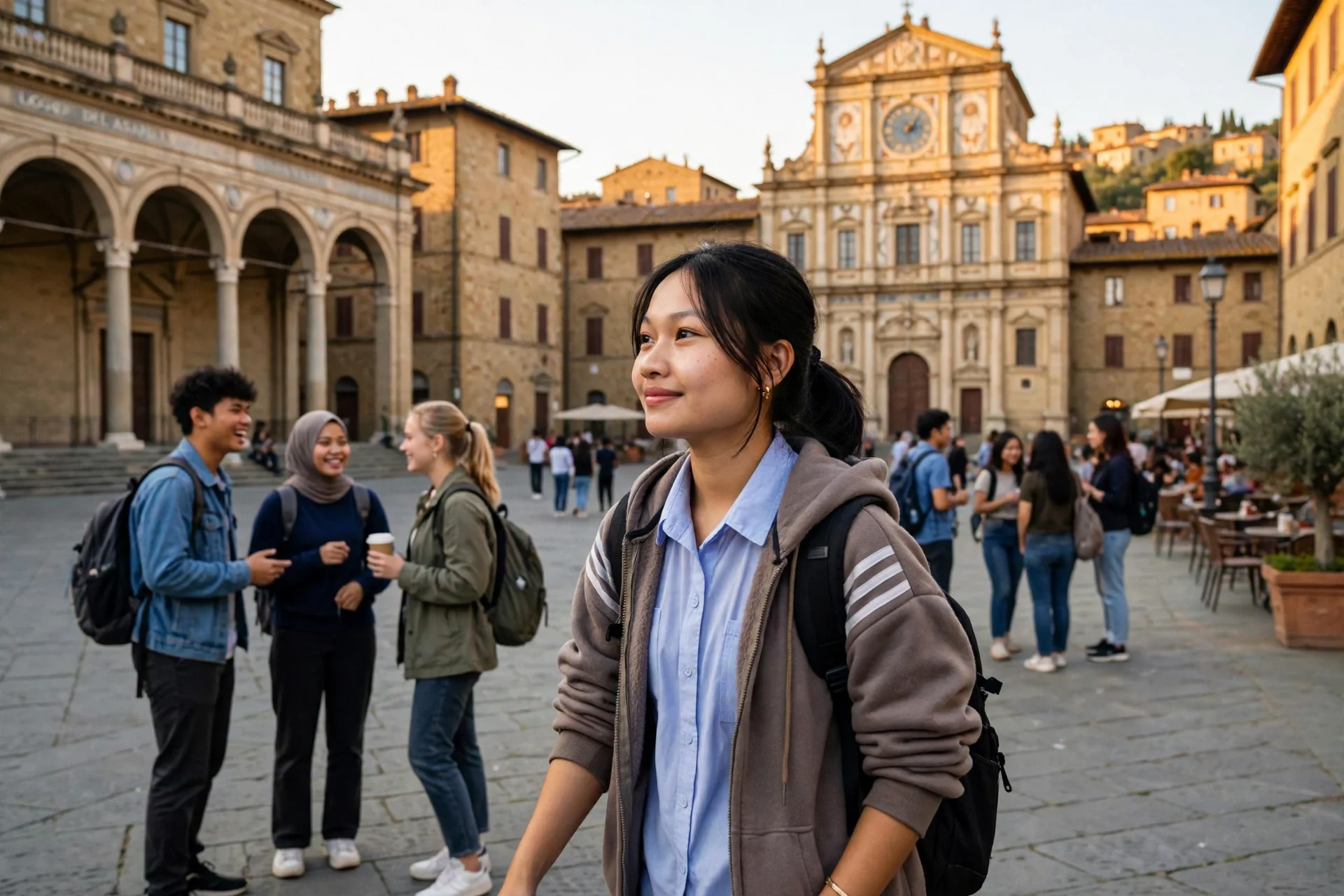
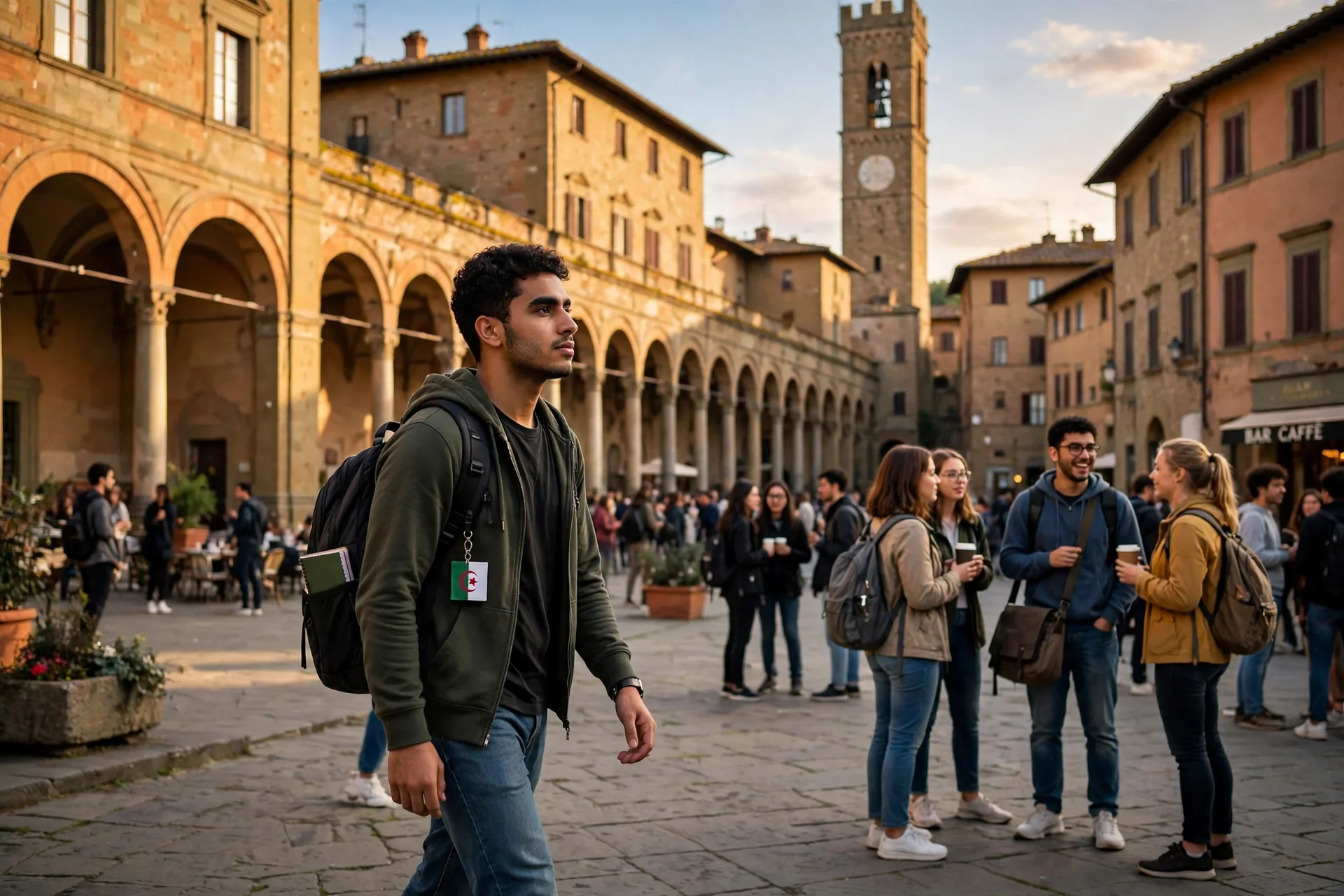
Arezzo itself is a welcoming base. It is a historic Tuscan city with medieval streets, lively piazzas, local markets, and a strong student community, yet it stays calm and walkable. Trains connect Arezzo to Florence in about an hour and to Rome in under two hours, so exploring Italy is easy. Many Brazilian students say the slower pace, the food culture, and the friendly local life help them settle quickly, even before their Italian becomes fluent.
Admission requirements for Brazilian students
Admission starts with your school background. Brazilian applicants usually apply with the Ensino Medio diploma, and universities check that it qualifies you for university study in Brazil. If you apply for a bachelor's degree, your diploma and transcript are the core documents. For a master's degree, you will also need your bachelor's degree and transcript, plus a description of your previous coursework when requested.
Language requirements depend on the program. English taught programs ask for proof of English, often at B2 level, through a recognised test or a certificate from your previous studies. Italian taught programs ask for Italian at a similar level. Even if your program is taught in English, learning basic Italian before arrival will make daily life, part time work, and friendships much easier.
Your application documents checklist
Prepare these documents early, because translations and legalisation take time. You will typically need a valid passport, your diploma and transcript, a CV, a motivation letter, a language certificate, and passport photos. Some programs ask for recommendation letters or a portfolio, especially in design and arts. Keep digital scans of everything, and check whether each document needs a sworn translation into Italian or English.
One document deserves special attention: the Declaration of Value. This is issued by the Italian consulate and confirms the value of your Brazilian qualification in the Italian system. Brazilian applicants should contact the consulate early, because appointments and processing times vary by city. Starting this step months ahead prevents last minute stress.
DSU Toscana scholarship and 100 percent tuition waiver
Cost is often the biggest question for Brazilian families, and this is where Tuscany stands out. The DSU Toscana scholarship 2026 supports eligible students with benefits that can include free accommodation or a housing contribution, free meals at university canteens, and exemption from tuition fees. Combined with a 100 percent tuition waiver, it can turn an Italian degree into one of the most affordable study abroad options available.
Eligibility is based mainly on family income and academic merit, and Brazilian applicants must present income documents that are translated, legalised, and consistent with the rules of the call. Deadlines are strict, so read the annual DSU Toscana call carefully and submit a complete file. If your income documents are unclear, ask for guidance before the deadline rather than after it. A careful application is often the difference between a successful award and a missed opportunity.
Costs and student life in Arezzo
Monthly living costs in Arezzo are moderate by Italian standards. A realistic student budget covers shared housing, food, local transport, study materials, and a phone plan, with room for occasional travel. Cooking at home, using student canteens, and choosing shared flats keeps costs down. Many students also work part time within the legal limits for international students, which helps with daily expenses and adds local work experience.
Student life in Arezzo is social and relaxed. You will find language exchange evenings, sports clubs, cultural festivals, and student associations that organise trips across Tuscany. The city hosts medieval festivals and open air events through the year, and the surrounding countryside offers hiking, cycling, and historic villages to explore. Brazilian students often build a second home here quickly, through classmates, host families, and the local Brazilian and Latin American community.
Tips for settling in during your first month
Arrive a little early if you can, so you can open a bank account, get a local SIM card, register your residence, and learn your bus routes before classes start. Join orientation events and at least one student group in your first week. Keep copies of your permit paperwork, and ask senior international students for practical tips on housing and bureaucracy. Small steps in the first month save weeks of confusion later.
Italy student visa steps for Brazilian applicants
Brazilian citizens need a student visa before travelling to Italy for a degree program. The process usually starts with pre-enrolment through the Universitaly portal, followed by a visa appointment at the Italian consulate that covers your region in Brazil. At the appointment you present your admission letter, proof of accommodation, proof of financial means, health insurance, and your travel documents.
After arrival in Italy, apply for your residence permit within eight working days. This step is essential, and you should book the appointment and gather the required forms as soon as you arrive. Universities and international student offices in Tuscany can guide you through the paperwork, so use their help instead of guessing. Keep every receipt and appointment slip until your permit card is issued.
How to apply to Universita Verde di Toscana
Applying is simpler than many students expect. Choose your program, prepare your documents, submit your application, and follow the instructions from the admissions team for pre-enrolment and visa support. If you are unsure which program fits your background, ask for guidance before you apply, so your motivation letter and documents match the course you truly want.
When you are ready, start your application and take the first step toward studying in Tuscany. With a strong application, a timely DSU Toscana scholarship file, and an early visa appointment, Brazilian students can turn a 2026 start in Italy from a dream into a plan. Arezzo is waiting, and your Italian story can begin this year.