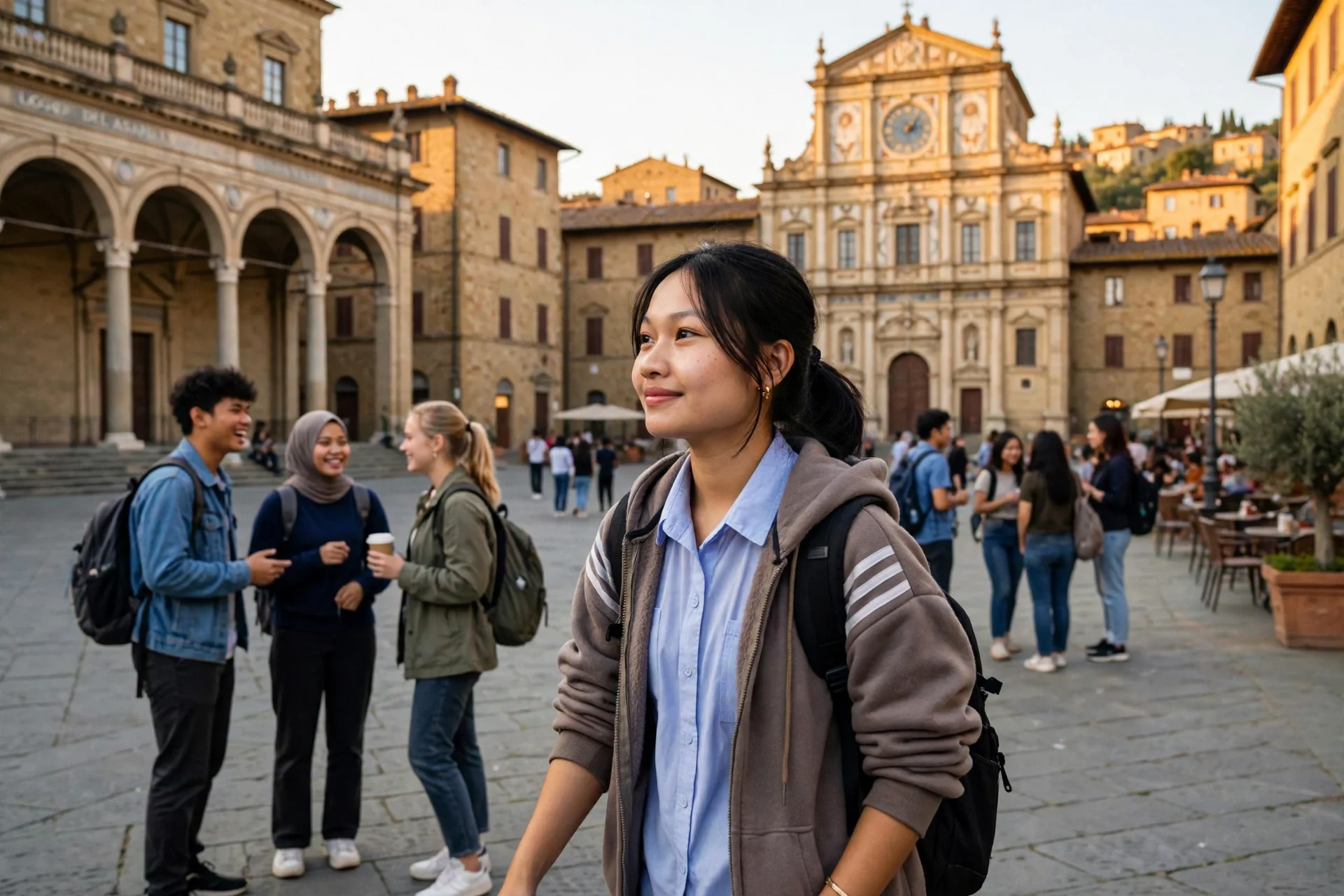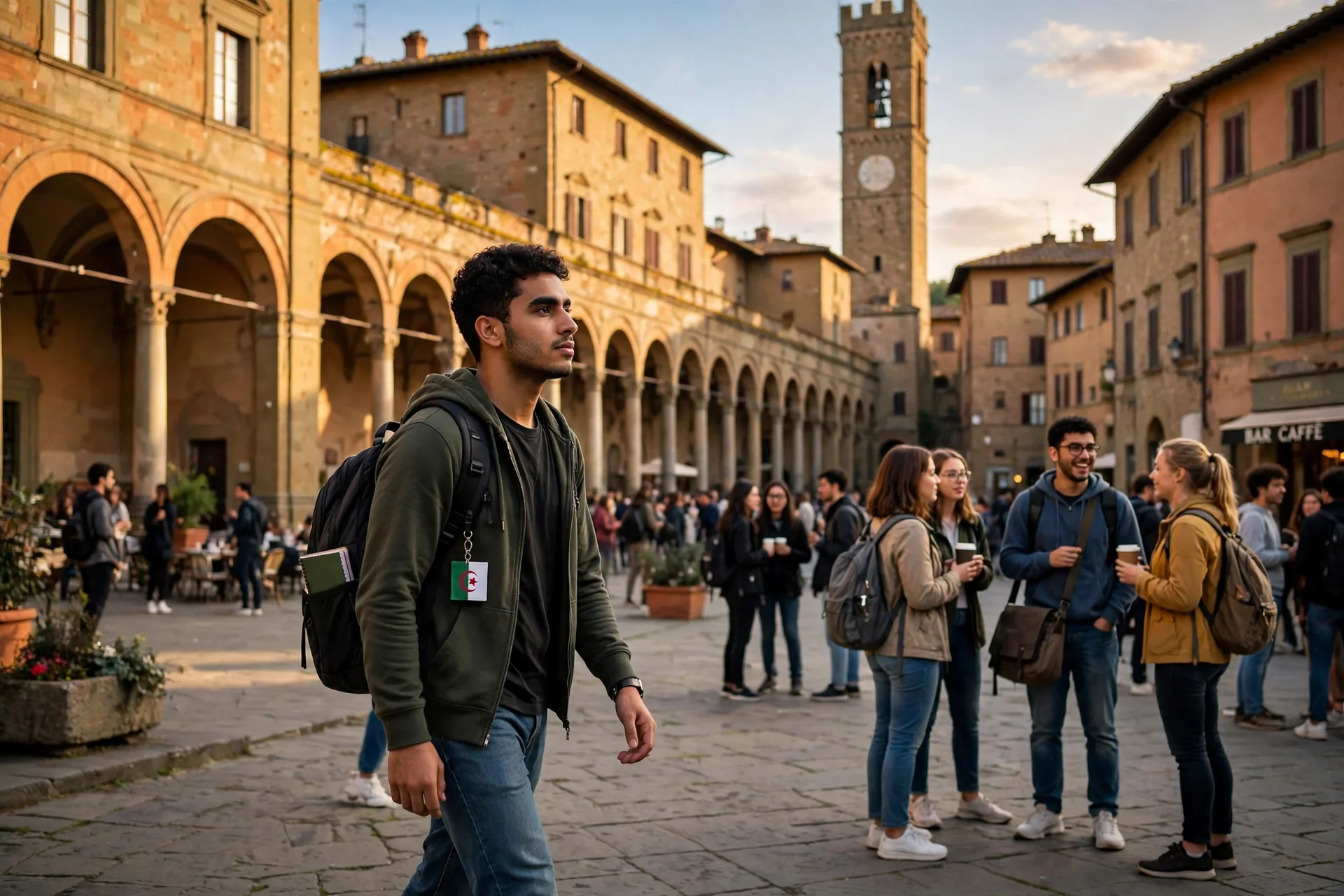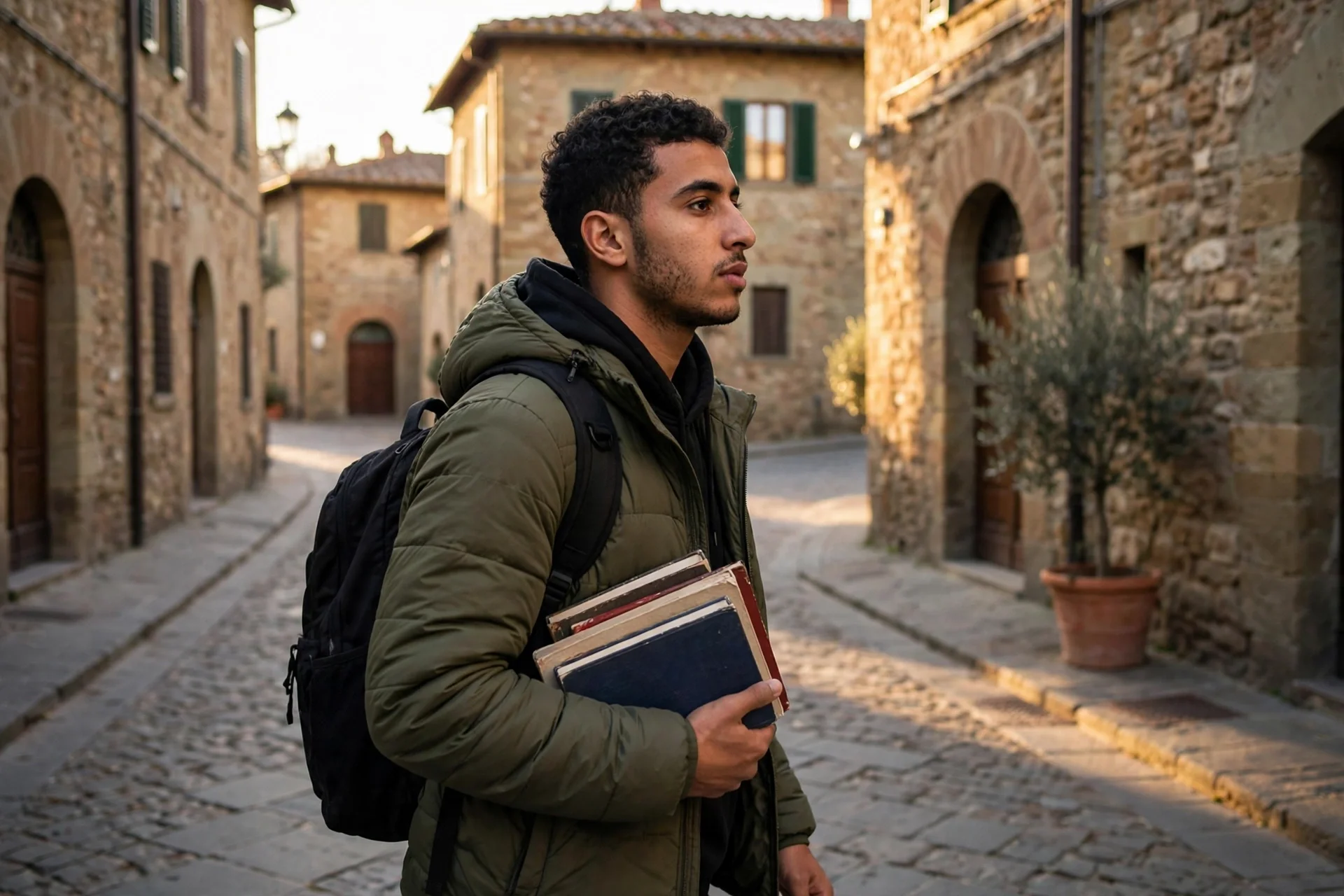
Study in Italy for Moroccan students is becoming one of the most rewarding routes to a European degree in 2026. Every year, more students from Casablanca, Rabat, Marrakech, Fes and Tangier choose Italian universities for their quality teaching, affordable tuition fees and generous scholarship options. Italy offers a warm welcome, a rich cultural life and degree programs that are recognised across Europe and beyond. For Moroccan students who want strong academics without the high costs of many other study destinations, Italy is a practical and exciting choice.
Study in Italy for Moroccan students: why Italy makes sense
Italian public universities charge much lower tuition fees than universities in the United Kingdom, the United States or Canada. Many Moroccan students pay only a few hundred euros per year, and students from lower income families can often pay even less. Teaching quality is high, especially in fields such as engineering, architecture, medicine, economics, design, agriculture and environmental science. Italian degrees follow the European Bologna system, so a bachelor degree normally takes three years and a master degree takes two years, and credits transfer easily within Europe.
Another advantage is language choice. Many master programs are taught fully in English, and a growing number of bachelor programs also offer English tracks. Students who prefer Italian can take a foundation or language preparation year first. Learning Italian also opens part time work, internships and daily life in a deeper way, and it is a valuable skill for careers in tourism, trade, fashion, food and international business between Morocco and Europe.
Admission requirements for Moroccan applicants
Moroccan students usually apply with a Moroccan baccalaureate, which is the national secondary school diploma. For bachelor programs, universities check that the diploma gives access to university study in Morocco and that it covers at least twelve years of schooling. For master programs, applicants need a relevant bachelor degree, such as a licence, plus transcripts showing courses and grades. Some competitive programs, especially medicine, architecture and engineering, require an entrance test or an interview.
Language proof is also part of admission. English taught programs normally ask for an English certificate such as IELTS or TOEFL, or an accepted equivalent. Italian taught programs ask for an Italian language certificate, usually at B2 level. Students should check the exact requirement for each program early, because test dates and certificate processing can take several weeks.
Documents Moroccan students should prepare
A complete application file saves time and avoids delays. Students typically need a valid passport, the baccalaureate diploma and transcripts, a university degree and transcripts for master applications, a motivation letter, a CV, language certificates and, for some programs, recommendation letters. Many universities also ask for a Declaration of Value for foreign diplomas. This document is issued through the Italian consulate and confirms that a Moroccan qualification is valid for university admission in Italy. Starting this step early is important, because consular processing times vary during peak application season.
Scholarships and the DSU Toscana opportunity
Cost is often the biggest worry for families, and this is where Italy stands out. Regional scholarship bodies award need based grants that can cover tuition, accommodation, meals and a yearly stipend. In Tuscany, the regional agency DSU Toscana runs one of the best known schemes for international students. A successful application can greatly reduce the total cost of studying in Italy, and in some cases the support is close to a full scholarship package.
Students interested in Tuscany should read the details of the DSU Toscana scholarship 2026 carefully, including income documents, deadlines and renewal rules based on academic progress. Family income certificates from Morocco usually need translation and legalisation, so families should begin gathering them months before the deadline.
Tuition fees and cost of living in Arezzo and Tuscany
Tuition at Italian public universities is income based, which means the amount depends on family income and on the university. Many international students pay between a few hundred and a few thousand euros per year, far below private university fees in other countries. Living costs in smaller Tuscan cities such as Arezzo are also lower than in Rome or Milan. Students can find shared flats, university residences and student rooms at reasonable prices, and daily expenses for food, transport and study materials remain manageable with careful budgeting.
Arezzo is an ideal base for Moroccan students. It is a safe, walkable historic city with a strong student community, good train links to Florence, Rome and Siena, and a relaxed pace of life. Students enjoy local markets, affordable canteens, libraries, sports facilities and cultural events throughout the year.
Step by step application checklist for 2026
A clear plan makes the whole process easier. First, choose up to three programs that match your diploma, grades and career goals, and check their language and entrance requirements. Second, prepare and translate your documents, and request the Declaration of Value in good time. Third, submit your university applications through the official pre-enrolment portal and the university system, and watch your email for interview or test invitations. Fourth, apply for scholarships such as DSU Toscana as soon as the call opens, even before final admission results arrive where the rules allow it.
Fifth, once admitted, apply for a student visa at the Italian consulate in Morocco with your admission letter, proof of accommodation, proof of financial means and health insurance. Visa preparation deserves careful attention, because incomplete files are the most common cause of delay. Students should keep copies of every document, respond quickly to consulate requests and attend appointments on time. When you are ready, you can start your application and get guidance on each step from document checks to arrival in Italy.
Student life, work and career prospects
Life as an international student in Italy is about more than lectures. Moroccan students join a large and diverse international community, take part in cultural associations, sports clubs and language exchanges, and build friendships with Italian and European classmates. Student residence permits normally allow part time work up to a set weekly limit, which helps with living costs and gives useful local experience. Internships during study, known as tirocini, are common in many degree programs and often lead to graduate jobs.
After graduation, Italy offers a stay back period for job searching, and graduates can convert a student permit into a work permit when they find qualifying employment. A degree from Italy, combined with Italian or English fluency and international experience, is valued by employers in Morocco, across Europe and in the Gulf region. Many graduates return to Morocco to work in engineering, health, education, tourism, agribusiness and trade, while others build careers in Italy or elsewhere in Europe.
Final tips for Moroccan students planning 2026 entry
Start early, apply to more than one program and treat scholarship deadlines as fixed. Keep your documents organised and practise the language of your program before departure. Italy rewards prepared students with affordable quality education, a welcoming culture and a degree that travels well. With the right plan, Moroccan students can turn a 2026 application into a life changing study experience in Tuscany and beyond.