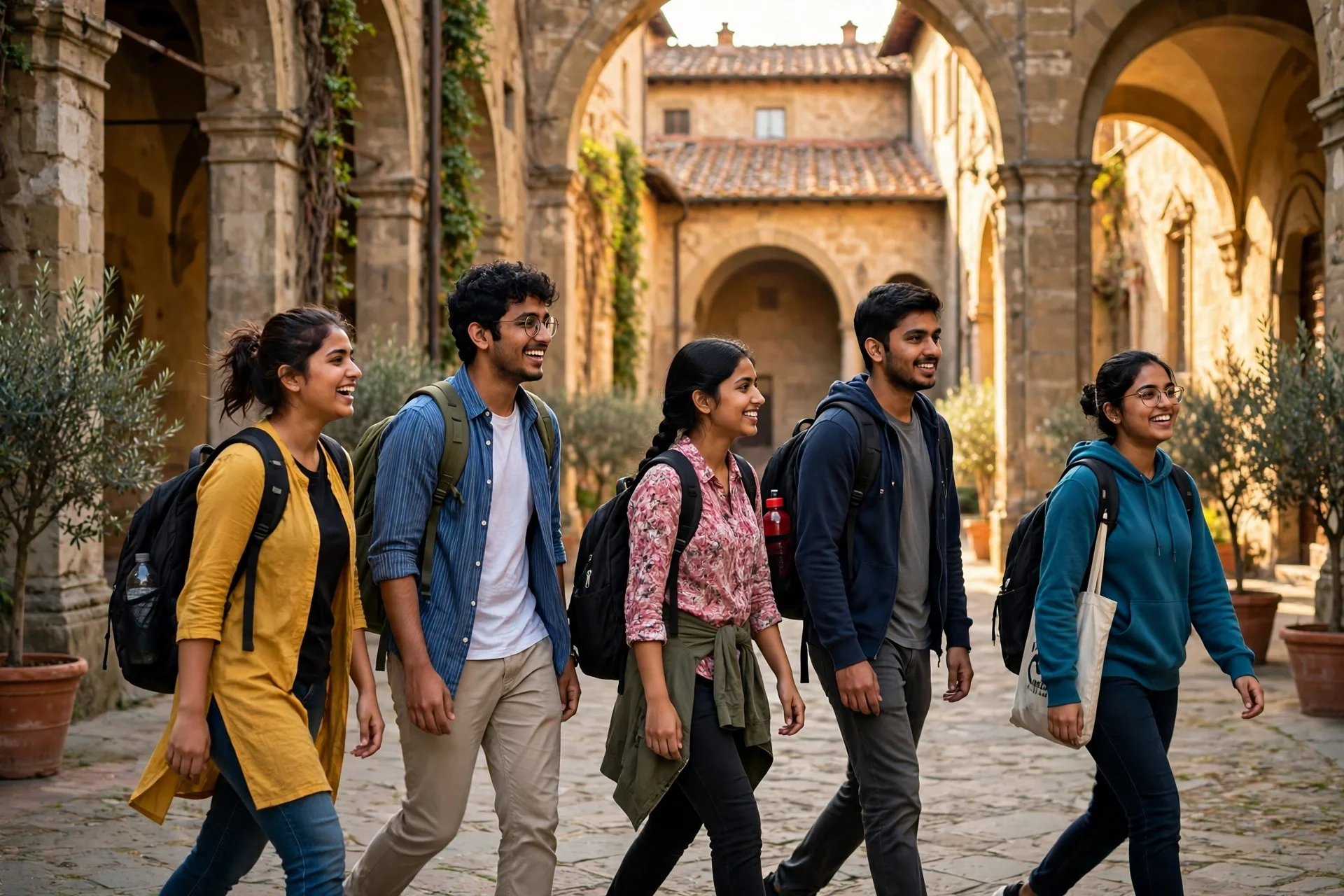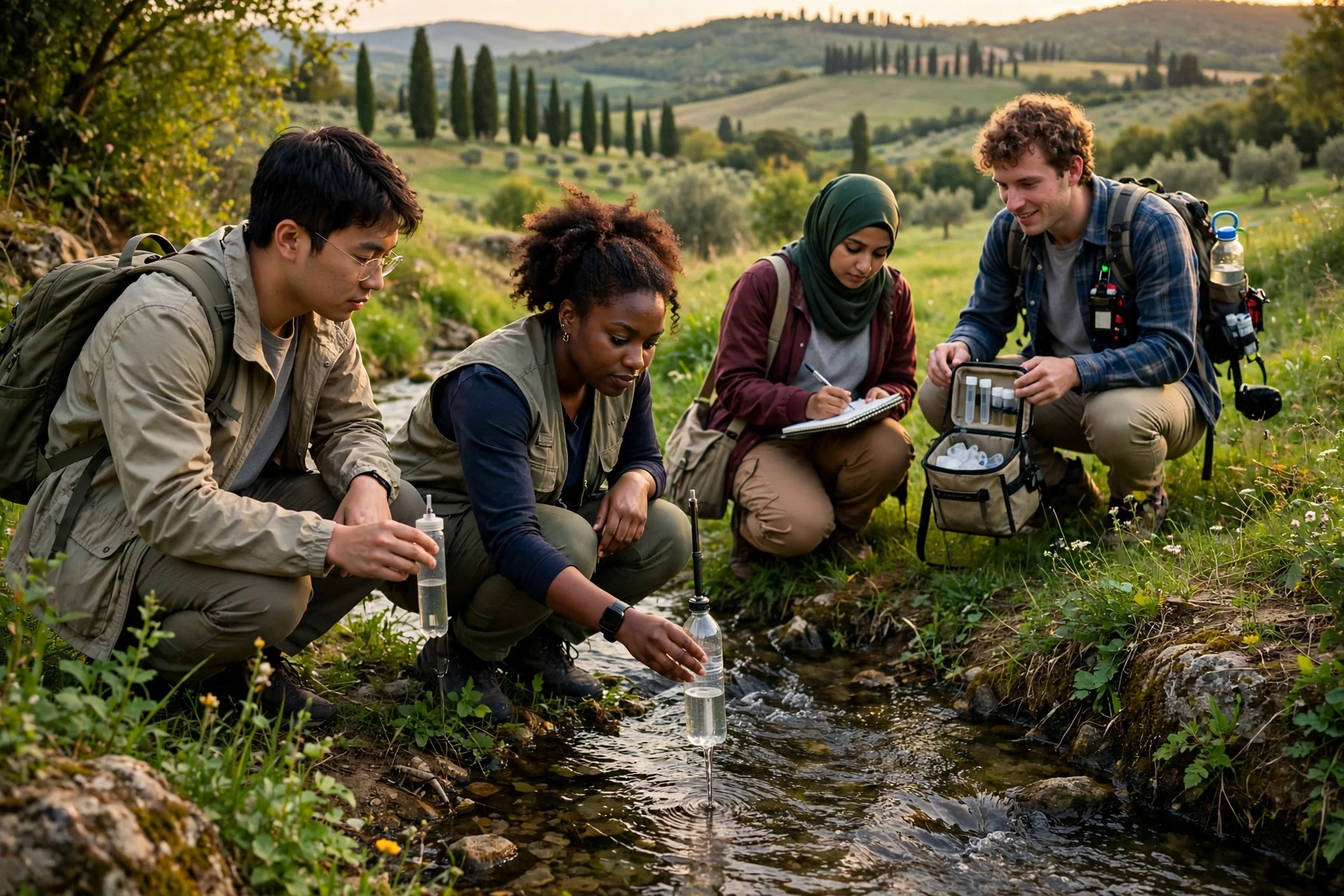
You no longer need to speak Italian to earn an Italian degree. English-taught bachelor programs in Italy have grown fast in recent years, and 2026 is the best year yet for international students who want a European education in English, at Italian tuition prices.
This guide explains what English-taught bachelor programs in Italy offer, which fields you can study, what language level you need, how admission works, and how to choose the right program for your goals.
English-Taught Bachelor Programs in Italy: Why They Are Booming
Italian universities have invested heavily in internationalization. Today you can study business, computer science, engineering, design, economics, biotechnology, international relations and more, entirely in English, at public universities where annual tuition can be as low as a few hundred euros.
The appeal is simple: you get a respected European degree, access to the Erasmus exchange network, and a student lifestyle in cities like Arezzo, Florence, Milan or Bologna, without the high fees of the UK, the US or Australia. For students who plan an international career, an English-taught bachelor in Italy is one of the best value options in the world.
What Fields Can You Study in English?
The catalog of English-taught bachelor programs in Italy covers most popular fields:
- Business and management: international business, business administration, management.
- Engineering and technology: computer engineering, mechanical engineering, artificial intelligence.
- Science: biotechnology, data science, environmental science, mathematics.
- Social sciences: international relations, political science, communication.
- Design and architecture: product design, fashion design, interior design.
Programs focused on sustainability are growing especially fast. If the green economy interests you, explore our overview of a green technology degree in Italy.
Language Requirements: How Much English Do You Need?
Most English-taught bachelor programs in Italy ask for a B2 level of English, proven with an IELTS, TOEFL or Cambridge certificate. Some programs waive the certificate if you completed secondary school in English or pass their internal language test.
Important: you do not need Italian to be admitted, but learning some Italian will transform your daily life, from renting an apartment to making local friends. Many universities offer free Italian courses for international students alongside English-taught degrees.
Do you need to speak Italian for the visa?
No. Consulates accept English-taught programs without Italian language certificates. Your acceptance letter stating the program language is English is enough on that point.
How Admission Works: Step by Step
Admission to English-taught bachelor programs in Italy follows a clear path:
1. Choose programs and check deadlines
Each university sets its own call, usually opening in autumn and closing between February and May for non-EU students. Apply to several programs to keep your options open.
2. Prepare your documents
You will need your secondary school diploma (legalized and translated where required), transcripts, an English certificate, your passport and sometimes a motivation letter or CV. Some programs also require an online interview or an entrance test.
3. Pre-enroll through Universitaly
Non-EU students must submit a pre-enrollment request on the Universitaly portal. This step is mandatory for the student visa, so do it as soon as you receive your acceptance.
4. Apply for the student visa
With your acceptance letter, book your visa appointment at the Italian consulate. Prepare proof of accommodation and financial means early, since appointments fill up fast in summer.
5. Confirm enrollment in Italy
After arrival, complete enrollment at the university, get your residence permit, and register for courses. Universities hold orientation weeks to help international students settle in.
Costs: Why Italy Beats the Alternatives
Tuition for English-taught bachelor programs in Italy is refreshingly low. Public universities charge based on family income, often between a few hundred and a few thousand euros per year, and scholarships can reduce this to zero. Private institutions cost more but still far less than comparable programs in English-speaking countries.
Living costs depend on the city: expect 700 to 1,100 euros per month in smaller cities like Arezzo, more in Milan or Rome. Scholarships such as DSU can cover housing, meals and fees entirely, making Italy one of the cheapest places in Europe to study in English.
How to Choose the Right Program
With dozens of English-taught bachelor programs in Italy to pick from, focus on what matters:
- Accreditation and recognition: make sure the degree is recognized in your home country and across the EU.
- Internship links: programs with company partnerships give you a head start on the job market.
- Class size and support: smaller international cohorts often mean better tutoring and faster integration.
- City and cost of living: a great program in an affordable city beats a famous name you can barely afford.
Reading student reviews and attending virtual open days helps you judge the real experience behind the brochure.
Study in English, Live in Italian
English-taught bachelor programs in Italy give you the best of both worlds: an international education in a language you already master, and daily life in one of the most beautiful countries on earth. You will graduate with a European degree, fluent professional English, and very likely a working knowledge of Italian too.
If this path sounds right for you, read our Italian-language guide to study in English in Italy for more details, then start your application to the Università Verde di Toscana and take the first step toward your 2026 degree.